For men
Male Hair Loss: Natural Solutions That Actually Work
Men often struggle with hair loss — but help exists. Here you will find natural solutions that work and gently strengthen your hair.
Hair loss in men is a widespread problem — about 8 in 10 men are affected at some point in their lives. Especially alarming: already half of men between 20 and 30 can expect to lose hair. Up to 100 hairs per day is considered normal shedding. If you lose more than that, it could be a sign of excessive hair loss.
The causes of male hair loss are varied, but genetics play a decisive role. In about 95 percent of all affected men, hereditary factors are responsible. Interestingly, it is not testosterone itself that is the trigger, but its breakdown product DHT (dihydrotestosterone). While many desperately search for effective solutions to stop hair loss, there are fortunately natural approaches that show promising results.
In this article we present proven natural methods that can actually help against hair loss. We examine which nutrients, plant extracts, and lifestyle changes support hair health and how you can integrate them effectively into everyday life. You will also learn which mistakes to avoid in application and how long it takes until you see first results.
Why men lose hair

Genetic causes and DHT
Hereditary hair loss, also called androgenetic alopecia, affects up to 80 percent of all men worldwide. This most common form of hair loss can begin as early as age 20. The main culprit is the hormone dihydrotestosterone (DHT), a breakdown product of the male hormone testosterone formed by the enzyme 5-alpha-reductase.
With a genetic predisposition, the hair follicles overreact to DHT, which shrinks the hair roots and shortens the growth phase. Consequently the hairs become thinner and shorter until they finally stop growing back. Interestingly, the genetic predisposition for this hypersensitivity lies on the X chromosome — so hair loss is inherited from the maternal side.
Stress, diet, and lifestyle
Ongoing stress throws the hair cycle out of balance and can lead to temporary hair loss. This is not everyday stress, however, but prolonged psychological strain.
Diet also plays a decisive role. Poor or deficient nutrition weakens the hair roots from within. Especially important for healthy hair are iron, zinc, vitamin D, biotin, and omega-3 fatty acids. In addition, the typical Western diet high in sugar and refined flour can lead to insulin resistance, which further favors hair loss.
Medications and illnesses as triggers
Hair loss has been identified as a side effect of over 400 medications. Especially frequently affected are:
- Chemotherapeutic agents
- Beta-blockers for high blood pressure (metoprolol, propranolol)
- Painkillers such as ibuprofen
- Antidepressants (imipramine, doxepin, fluoxetine)
- Blood thinners such as heparin
Hormone disorders, especially of the thyroid, can also favor hair loss. Infections such as COVID-19 or serious illnesses can lead to diffuse hair loss as well.
Male hair loss is therefore rarely due to a single cause — rather it is usually an interplay of various factors, some of which can be influenced.
Natural remedies against hair loss
In the fight against hair loss there are promising natural alternatives to medication. Scientific studies support the effectiveness of various natural substances.
Caffeine: promoting blood flow
Caffeine does not only act as a wake-up call in morning coffee; it also demonstrably stimulates hair follicles and promotes their growth. It improves scalp blood flow, so the follicles are better supplied with nutrients and oxygen. Especially important: caffeine inhibits the effect of DHT, the hormone that can be responsible for hair loss. A Korean study showed that a 0.5 percent caffeine shampoo after 24 weeks of daily use increased hair density by 4.85 percent.
Biotin and zinc: nutrients for the hair root
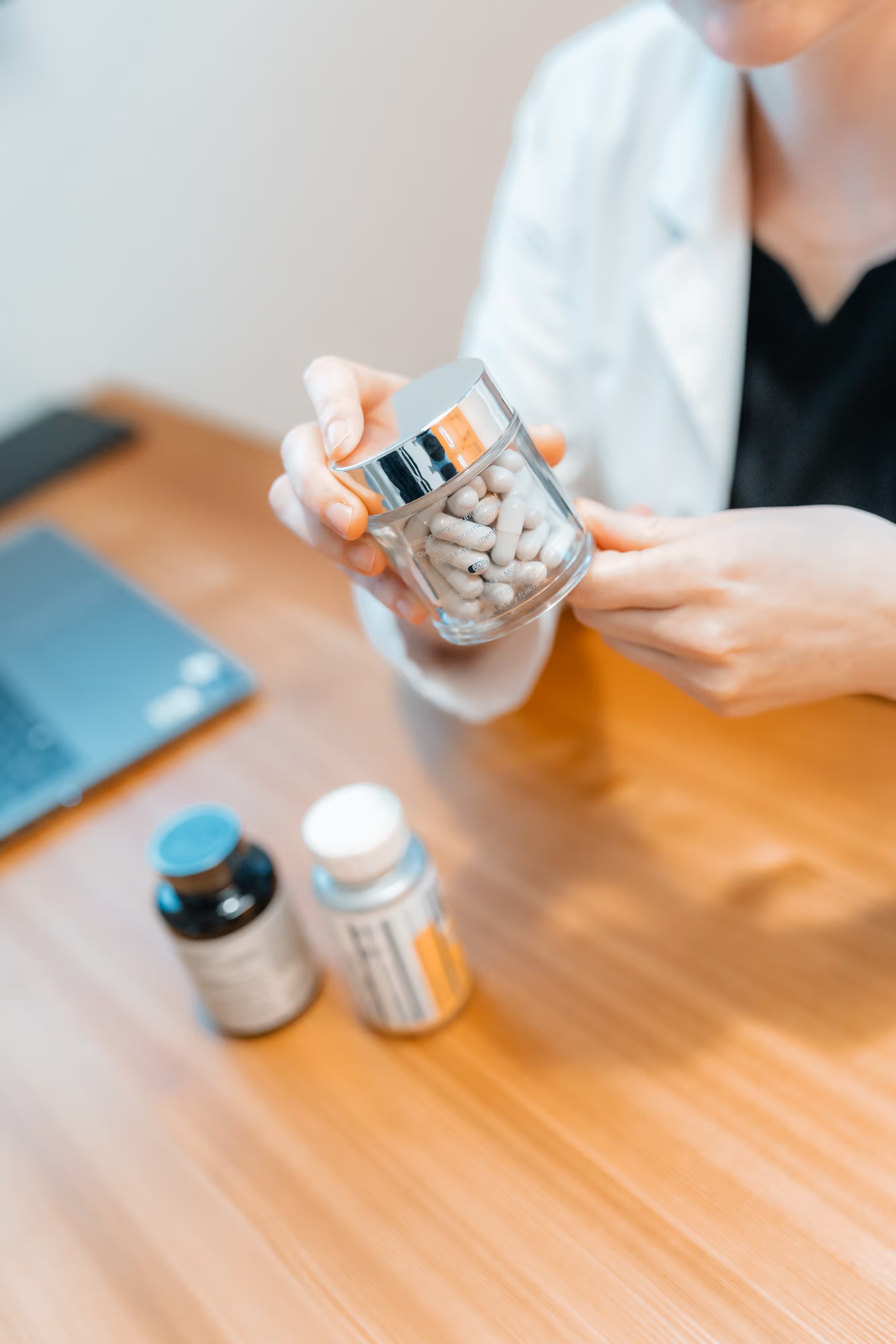
Biotin (vitamin B7) plays a decisive role in healthy hair growth. It is involved in the formation of keratin, a protein that supports hair structure. Biotin and zinc contribute to the maintenance of normal hair, while a deficiency can lead to hair loss. The German Nutrition Society recommends a daily biotin intake of 30 to 60 micrograms for adults.
Essential oils: rosemary, peppermint & more
Rosemary oil is considered a natural remedy against temple recession. A 2015 study concluded that the oil is as effective for hair regrowth as drugstore products. Rosemary oil promotes blood flow to the scalp, so the follicles are better supplied. It can also act anti-inflammatory and reduce dandruff.
Plant actives such as MKMS24
The plant active MKMS24, derived from bamboo, thyme, and lentils, shows impressive results: in one study, after three months of use a 90% reduction in hair loss was found. MKMS24 stimulates the dermal papilla and the fibroblast growth factor 7 (FGF7), which directly promotes hair growth.
Thiocyanate: cell protection for the scalp
Thiocyanate is a natural, endogenous molecule involved in many metabolic processes — including in the hair follicles. It activates and strengthens the hair root so that it is less susceptible to growth-disrupting influences. Thiocyanate relieves the hair root by binding free radicals and normalizing imbalances in the cell environment.
Application and effect of natural solutions
When using natural solutions against hair loss, patience is required, because quick overnight results do not exist.
How long until results are visible?
Realistically you should plan a timeframe of 3 to 6 months until first improvements become visible. Some men notice first positive changes after 2 to 3 months, such as less shedding or improved hair quality. For clear and stable results, however, 4 to 6 months are needed. Full effect only shows after 12 months. Keep in mind: on average hair grows only about 1.25 cm per month, and even more slowly in problem zones.
Combining several remedies: useful or not?
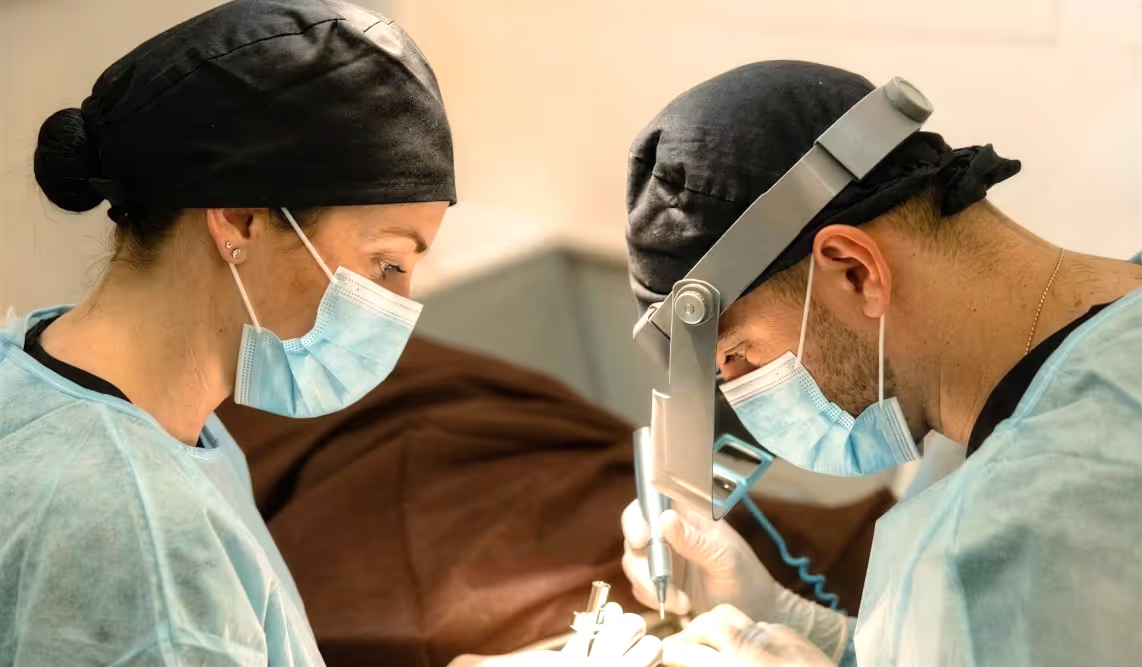
Combining different approaches can actually increase effectiveness. One study showed, for example, that combining a hair transplant with certain actives delivers better clinical results. Through different mechanisms of action, natural remedies can complement each other. While some promote blood flow, others deliver important nutrients for the hair root.
Avoiding common application mistakes
A widespread mistake is insufficient massage of the products into the scalp. Products should be thoroughly massaged in; a dermaroller can even help. Many also stop treatment too early when quick success is not visible. Consistency is decisive, however — even if shedding continues at first. Finally, overdosing is a problem: more is not always better and can lead to irritation.
Lifestyle and prevention: what men can do themselves
A holistic lifestyle forms the foundation for healthy hair growth and can effectively prevent or slow hair loss.
Healthy nutrition for strong hair
Hair roots need specific nutrients to produce strong hair. Especially valuable are foods with iron, zinc, biotin, and omega-3 fatty acids. Pumpkin seeds, nuts, and sunflower seeds deliver important minerals and proteins. Green leafy vegetables such as spinach supply the hair with iron and folic acid. Whole grains, eggs, and legumes optimally complete the diet.
Notably: men can counteract baldness by switching their diet from high-fat to low-fat. A high-fat diet raises testosterone levels, which may negatively affect the hair follicles.
Stress management and sleep
Chronic stress raises cortisol levels in the body, which disrupts the hair cycle and leads to increased shedding. Proven relaxation techniques such as meditation, yoga, and targeted breathing exercises can help here.
Sufficient sleep is also decisive. During deep sleep our body goes through important regeneration processes that are essential for hair growth. Experts recommend 7–9 hours of high-quality sleep per night. Regular physical activity also supports both sleep quality and stress reduction.
Scalp care and gentle hair products
A healthy scalp is the basis for strong hair growth. Choose mild shampoos without aggressive ingredients such as sulfates, parabens, or silicones. Regular scalp massages also promote blood flow and improve nutrient supply to the follicles.
Avoid frequent coloring, blow-drying, or straightening, as these practices can damage hair structure. Instead, gentle care products tailored to the needs of men with hair loss are recommended.

Hair loss affects almost every man at some point in life. Fortunately, numerous natural solutions that actually work are available today. The combination of caffeine, biotin, zinc, and plant actives such as rosemary oil or MKMS24 can deliver impressive results. You must bring patience, however — plan at least three to six months for first visible improvements.
Just as important as external applications is looking at the whole lifestyle. A balanced diet with iron-rich foods, enough sleep, and effective stress management form the foundation for healthy hair growth. Add gentle scalp care without aggressive ingredients.
Remember: the fight against hair loss is more like a marathon than a sprint. Consistency in application and realistic expectations are therefore decisive for success. Even if genetic factors cannot be fully overcome, the process of hair loss can be clearly slowed or even stopped through these natural measures.
Ultimately it is not only about full hair, but about your well-being. The natural methods presented therefore offer a double benefit — they support both your hair health and your general health, without the side effects of chemical alternatives.