For women
Female Hair Loss: What Doctors Recommend in 2025
See which therapies clinicians recommend in 2025 for female hair loss—from PRP and exosomes to proven medications—and how diagnosis guides treatment.

Hair loss in women is more common than many think—almost one in three women will deal with it at some point. When more than 100 hairs fall out daily or bald patches appear, medicine speaks of true hair loss (alopecia).
Causes of female hair loss are varied. The most common form is hereditary hair loss, also called androgenetic alopecia. Hormonal changes also play a major role—especially in menopause, when about one third of women experience hair loss. In addition, up to 12 percent of women of reproductive age in Germany have polycystic ovary syndrome (PCOS), which can also lead to hair loss.
This article explains how to recognize hair loss, which forms exist, and—most importantly—which treatments doctors really recommend in 2025. From minoxidil for hereditary loss to corticosteroid therapy for alopecia areata, we give a broad overview of current medical recommendations.
How do you recognize hair loss in women?

Typical everyday signs
The first clues often show up in daily life. Noticeably more hair in the brush, shower drain, or on the pillow can be early warnings. The subjective sense that your ponytail is thinner or lengths no longer look as full as before should also be taken seriously.
In women, hair loss usually looks different than in men. Instead of sharply defined bald patches, there is more often even thinning across the whole head. A widening center parting that makes the scalp increasingly visible is especially typical. In advanced stages, thinning becomes obvious at the parting or forehead.
Some women also develop “temple recession”—thinned areas at the temples, often with a higher-looking forehead. These usually stem from hereditary hair loss or mechanical stress such as tight braids.
When is it medically hair loss?
Medically, visible hair reduction on normally hairy skin is called alopecia. Effluvium means shedding above the normal range.
The key threshold is about 100 hairs per day. A healthy adult loses 50 to 100 hairs daily; more than 100 per day suggests a problem. After washing, up to 250 hairs can shed without necessarily being alarming.
If increased shedding lasts several weeks or bare patches appear, the condition needs treatment. These forms are especially common in women:
- Diffuse hair loss: Hair thins evenly over the whole head without a specific pattern
- Hereditary hair loss (androgenetic alopecia): Usually visible in the parting area
- Patchy hair loss (alopecia areata): Sharply defined round bald spots
Differences from normal hair turnover
Every hair follows a natural cycle of growth, transition, and rest. In the anagen (growth) phase, lasting three to eight years, hairs grow longer and thicker. Then comes a short catagen (transition) phase of about two weeks, before the hair enters the telogen (resting) phase of about two months and finally sheds.
With healthy hair, about 90% of scalp hairs are in growth and only 10% in rest. So losing 60–100 telogen (club) hairs a day is normal. Only when that value is clearly exceeded is shedding pathological.
An important difference: in normal turnover, hairs shed evenly and are promptly replaced. In hair loss, shed hairs outnumber new ones, so overall density declines.
There can still be phases of increased shedding without disease. For example, many women experience increased loss two to four months after giving birth as female sex hormones fall and many scalp hairs shift from growth into rest at once. This usually normalizes within a few months.
If you are unsure whether your shedding is still normal, see a dermatologist. Using methods such as a trichogram, pull test, and blood tests, they can identify the exact cause.
What causes hair loss in women?
Reasons for female hair loss are diverse and complex. Some causes are temporary; others can lead to lasting loss. Understanding these factors is essential for successful treatment.
Genetic predisposition (androgenetic alopecia)
The most common cause of female hair loss is androgenetic alopecia—hereditary hair loss. About 57 percent of all women over 80 are affected. Follicles overreact to dihydrotestosterone (DHT). Unlike in men, this form often starts later in women, frequently after menopause around age 40. Characteristically, hair thins mainly at the crown while density at the temples and nape stays unchanged. Interestingly, many affected women have increased hair elsewhere—on the lower legs, toes, or face.
Hormonal changes (e.g. pregnancy, menopause)
Hormones strongly influence the hair cycle. Estrogens stimulate growth; a rise in male hormones can lead to loss.
During pregnancy many women enjoy fuller hair because higher estrogen prolongs the growth phase. From about the eighth week after birth, the sudden hormone drop can trigger increased shedding. This usually normalizes after six months or by the end of breastfeeding at the latest.
In menopause, up to one third of women experience hair loss. Falling estrogen lets androgens come to the fore. Stopping the contraceptive pill after long-term use can also cause hormonal swings and shedding.
Polycystic ovary syndrome (PCOS) affects up to 12 percent of women of childbearing age in Germany and is the most common cause of excess androgens in women. Besides hair loss, those affected often have increased facial and body hair.
Stress and psychological strain
Long-lasting chronic stress can strongly affect growth. The stress hormone cortisol inhibits growth, while more nerve fibers around follicles release messengers that trigger neurogenic inflammation.
Notably, stress-related shedding usually appears with a delay of two to three months after the stressful period. Stress often causes diffuse thinning. The good news: after the stress eases, hair usually grows back—often thicker and more pigmented than before.
Nutrient deficiency (e.g. iron, biotin)
An underestimated trigger is nutrient deficiency. Especially problematic:
- Iron deficiency: Impairs oxygen supply to follicles; especially common in women during menstruation
- Zinc deficiency: Weakens hair structure and leads to thinning or brittle hair
- Vitamin B12 deficiency: Disturbs cell division and renewal in the follicles
- Biotin (vitamin H/B7): Essential for keratin, the main structural protein of hair
- Vitamin D: Activates follicles; deficiency can increase shedding, especially in winter
Medications and illness
Hair loss has been noted as a side effect of more than 400 medications. Especially common culprits:
- Beta-blockers for high blood pressure (especially metoprolol and propranolol)
- Regular ibuprofen use
- Blood thinners such as heparin
- Antidepressants
- Chemotherapeutics
Various diseases can also trigger hair loss, including thyroid disease, diabetes, skin and bowel conditions, and kidney disease.
Mechanical stress on the hair roots
Mechanical stress can cause traction alopecia through excessive pull or pressure, for example from:
- Tight braids, ponytails, or buns
- Hair extensions
- Tight headwear such as headbands or helmets
- Very long, heavy hair
- Frequent, forceful brushing or combing
Because women more often wear longer hair and elaborate styles, they are more often affected than men. Encouragingly, hair usually recovers within six months after the mechanical stress stops—if the roots are not yet badly damaged.
Forms of hair loss and their specifics
Hair loss in women takes several forms, each with its own features and treatment approaches. Understanding these differences is crucial for effective therapy.
Hereditary hair loss
Androgenetic alopecia is the most common form in women. Unlike in men, it typically shows as thinning at the parting while the frontal hairline is usually preserved. Up to 50 percent of all women are affected at some point. The cause is genetic oversensitivity of the roots to male sex hormones. This form increases after menopause but can start from age 20.
Patchy hair loss (alopecia areata)
In alopecia areata, irregular bald patches appear suddenly. It affects both sexes equally and can occur at any age, but is most common in children and young adults. Typical are round, hairless spots with short broken hairs at the edges. It is likely an autoimmune disease in which the immune system attacks the follicles. The course is unpredictable—in some people patches resolve within six to twelve months; in others shedding returns repeatedly.
Diffuse hair loss
In diffuse hair loss, the whole scalp thins evenly without bald patches. A clear sign is more than 100 hairs falling out daily. Causes are varied: stress, hormonal swings after birth or in menopause, nutrient deficiency, or certain medications. This form typically starts two to three months after the trigger and is usually temporary.
Scarring hair loss
In scarring alopecia, follicles are permanently destroyed, so regrowth is impossible. The scalp looks smooth and shiny without visible follicle openings. This rare form affects women and men equally and usually progresses slowly and asymmetrically. Possible causes include autoimmune diseases such as lichen planus or lupus erythematosus.
Traction alopecia from hairstyles
This form comes from excessive mechanical stress. Very tight braids, buns, or extensions can bend the root. At first there is slight thinning; later bald patches can form. Women are more often affected because they more often wear long hair and elaborate styles. If stress is reduced in time, hair usually grows back.
What doctors recommend for treatment in 2025
Medical treatments for hair loss have steadily evolved. In 2025 dermatologists rely on evidence-based therapies tailored to each form of loss.
Minoxidil: the gold standard for hereditary hair loss
Minoxidil remains the gold standard for androgenetic alopecia. Originally a blood-pressure drug, it widens blood vessels and improves nutrient supply to the follicles. In 70–80% of users shedding stops, while up to 30% even see new growth. Men use 5% twice daily; women use a 2% solution or a reduced amount of the 5% product. Important: in the first weeks a temporary “shedding effect” can occur. Use must continue consistently—after stopping, shedding returns within three to four months.
Antiandrogens for hormonal causes
For hormone-related hair loss, doctors prescribe antiandrogens for women, found in certain contraceptive pills such as Diane-35, Belara, or Valette. These block male hormone effects on the roots and improve scalp blood flow. Women after menopause may take cyproterone acetate. Tinctures with alpha-estradiol for the scalp can also help. Studies show that after eight months these substances can raise the share of hairs in growth by about ten percent. These therapies are not suitable for men.
Corticosteroids and immunotherapy for alopecia areata
For alopecia areata, corticosteroids are often used as cream, solution, or injections into bald spots. With intralesional corticosteroid, response rates range from 60% to 80% depending on concentration. For extensive cases, topical immunotherapy with diphencyprone (DPCP) is a scientifically proven alternative. About 80% of patients regrow hair, though almost half relapse after therapy ends. A breakthrough is newly approved JAK inhibitors such as baricitinib for adults and ritlecitinib from age twelve for severe alopecia areata.
Supplements for deficiency states
With confirmed nutrient deficiency, targeted supplements can help. Zinc and vitamin B12 injections are especially effective because they deliver nutrients straight into the bloodstream. Zinc acts as an immune stimulator and can support autoimmune-related loss. Vitamin B12 improves oxygen supply to the follicles. These treatments only work when a real deficiency is present.
PRP treatment: when it makes sense
PRP treatment (platelet-rich plasma) is particularly suitable for patients in early stages of hair loss or to support growth when hair structure is weakened. Costs vary by provider and scope between about EUR 300 and 800 per session. As a minimally invasive procedure it is usually well tolerated with few side effects. PRP works best when loss is not fully advanced. In advanced, diffuse, or scarring alopecia, effectiveness may be limited. Realistic expectations are essential for satisfaction with results.
Exosome therapy with microneedling: when it makes sense
Exosome therapy combined with microneedling suits patients with early or moderate hair loss. It aims to promote follicle regeneration and stimulate growth at the cellular level. Cost per session is usually between EUR 500 and 1,500 depending on product and provider. As a non-surgical, minimally invasive treatment it is generally well tolerated with low risk. It works best when follicles are still active; in pronounced or scarring alopecia the effect is limited. Again, realistic expectations matter for satisfaction with outcomes.
Psychological support when distress is high
Given the considerable psychological burden of hair loss, experts increasingly recommend accompanying psychological counseling—in person, by phone, or via video. Counseling aims to meet people in their sense of helplessness and build coping strategies. Studies also show that psychological support before a hair transplant can improve success prospects by fostering realistic expectations.
Diagnosis and medical evaluation
If you suspect hair loss, thorough medical evaluation is the first step toward successful treatment. Specialists use several diagnostic methods to pinpoint the cause.
History and physical examination
First the doctor takes a detailed history: onset and duration of shedding, whether it was sudden or gradual, and which areas are most affected. Questions about medications matter because more than 400 drugs can cause hair loss. For women, gynecological history—pregnancy or changes in hormonal contraception—is especially important.
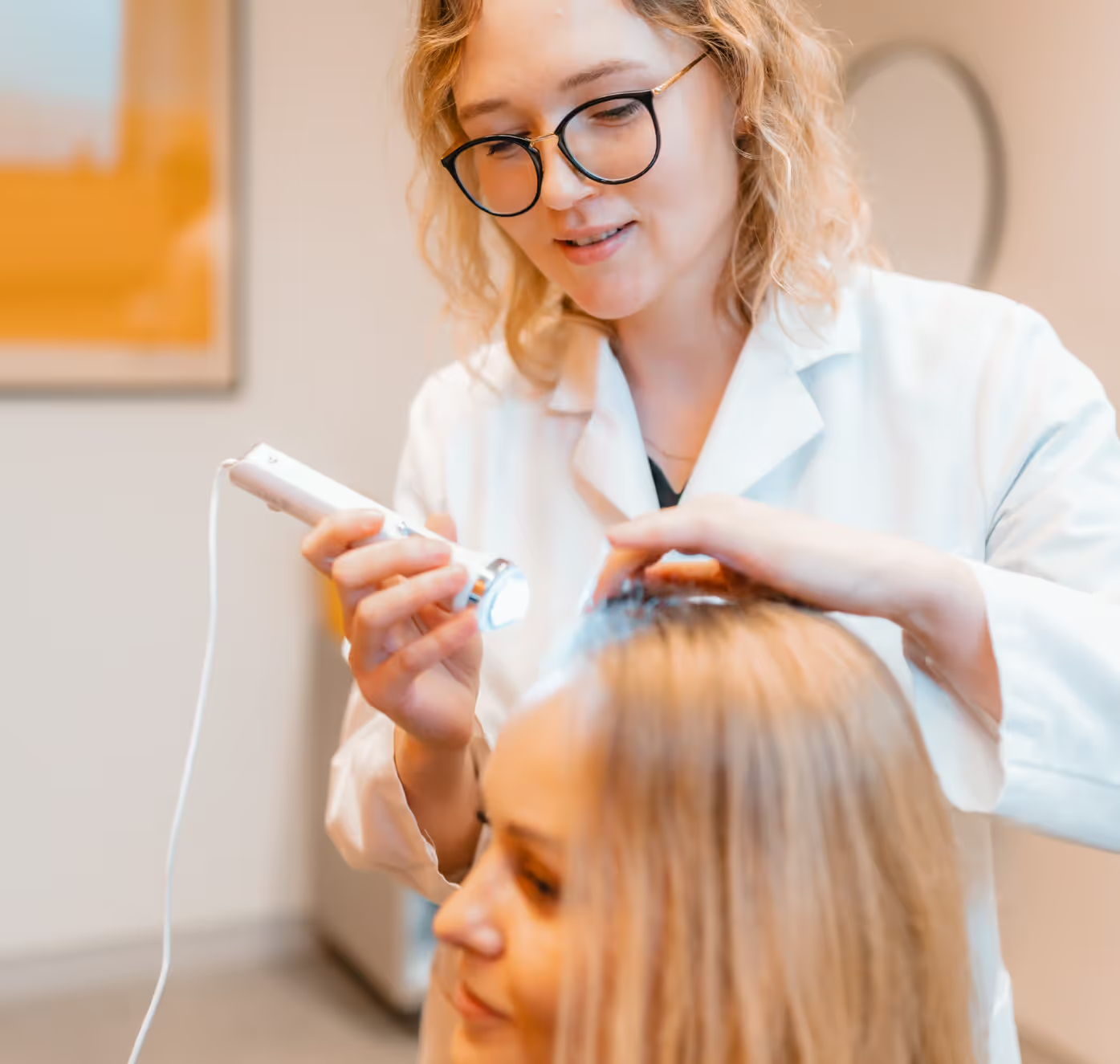
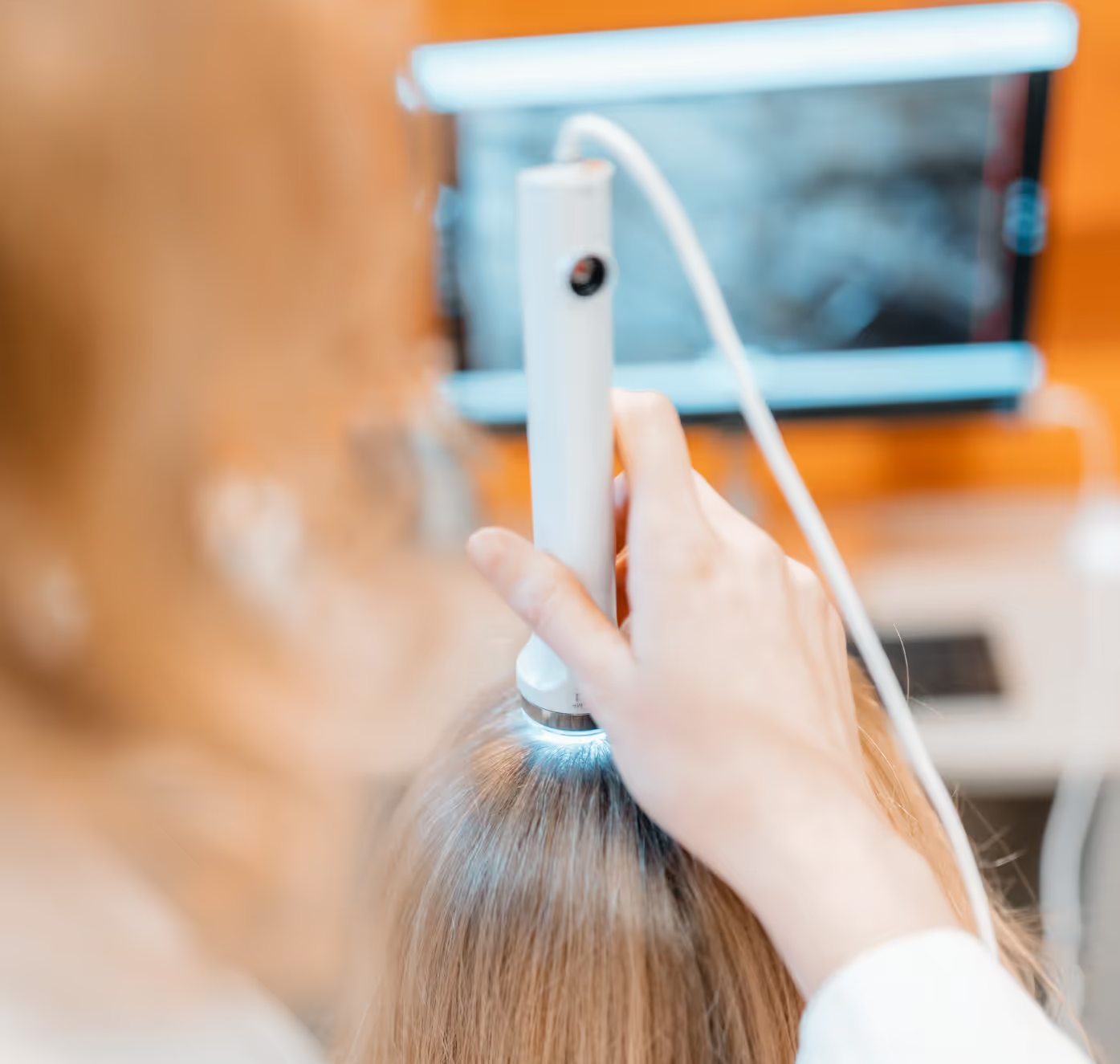
The physical exam focuses on the scalp. The doctor assesses the pattern of loss, looks for inflammation, redness, or scaling, and often examines roots with a dermatoscope. In the pull test, the clinician gently tugs about 40 hairs in different areas—if more than 4–6 come out, that suggests increased shedding.
Trichogram and blood tests
The trichogram is an important method. Using a rubber-tipped clamp, the doctor removes about 50–100 hairs from affected and unaffected areas. Under the microscope, the ratio of growth, transition, and rest phases is determined. A telogen hair share above 20% indicates increased shedding.
Blood tests are also crucial to rule out systemic causes. Standard checks include:
- Iron stores (ferritin)
- Thyroid function (TSH, T3, T4)
- If hormonal disorder is suspected: androgens such as testosterone
When a visit to the dermatologist is necessary
If more than 100 hairs fall out daily or bald patches form, see a specialist. The dermatologist is usually the first contact, because hair loss often relates to disease or damage to the roots in the scalp. If hormonal causes are suspected, an endocrinologist—or for women a gynecologist—can also be consulted.
Temporary shedding after pregnancy often needs no visit, but early evaluation is wise if loss persists. The earlier the diagnosis, the better the outlook for treatment.

Female hair loss is a complex medical issue that can cause significant emotional stress. Current treatments in 2025 offer promising options. The right diagnosis is the decisive first step. By recognizing the specific form early—whether androgenetic alopecia, alopecia areata, or diffuse shedding—you can act purposefully and start the right therapy.
Understanding individual triggers matters. Genetic factors are hard to change, but hormonal swings, nutrient gaps, and mechanical stress can often be treated. Evidence also shows that psychological factors play a non-trivial role. A holistic approach should therefore address both physical and psychological aspects.
Modern medicine now offers a wide spectrum of therapies. Minoxidil remains the gold standard for hereditary loss; antiandrogens work well for hormonal causes. Alopecia areata responds especially to corticosteroids and immunotherapies. Whatever the method: patience is essential—visible results usually take several months.
We strongly recommend that women with hair loss see a dermatologist rather than experimenting alone. Counting shed hairs every day can also create excess stress—focus instead on concrete signs such as visible thinning or a clearly wider parting.
Finally: although hair loss can be distressing for many women, effective treatments are available today. Research continues to advance, so further innovative approaches can be expected in the years ahead. With the right treatment, professional guidance, and a good dose of patience, affected women can markedly improve confidence and quality of life.