For women
Postpartum Hair Loss: Midwife Tips and When to Seek Help
Learn why postpartum hair loss is normal, midwife-tested tips to support recovery, and when shedding after birth means you should see a doctor.
Experiencing hair loss after the birth of your child? It can feel very unsettling—especially when you find clumps on the pillow or in the brush every morning. This phenomenon is far more common than many think: in a Swiss survey, 20 percent of women aged 30 to 49 named pregnancy as a trigger for hair problems.
Hormonal postpartum shedding typically begins 3 to 5 months after delivery and can last up to 9 months. In some cases women experience extreme shedding that continues for up to a year. There is still reason for reassurance: you are mainly losing the hairs you did not shed during pregnancy. In this article I share midwife-tested tips on how to cope with postpartum hair loss and when you should seek medical help.
Why postpartum hair loss is completely normal

Every hair normally cycles through three phases: growth, rest, and shedding. Elevated estrogen in pregnancy prolongs the growth phase (anagen) of the follicles considerably. Hairs stay rooted longer and you lose fewer than usual. From about the second half of pregnancy, many women therefore notice fuller hair.
After delivery, hormone levels quickly return toward pre-pregnancy levels. The sudden drop in estrogen sends many follicles into the resting phase (telogen) at once. About two to four months later those hairs begin to shed. Medically this is called “telogen effluvium” or “postpartum effluvium.”
Increased shedding normally starts three to five months after birth and can last up to nine months. In some cases this phase lasts up to 15 months, though for most women growth normalizes again within a year.
This process is not caused by breastfeeding. In breastfeeding mothers, however, the hormonal transition can sometimes be slower, so shedding may start later than in non-breastfeeding women—sometimes only after weaning.
Important to understand: this is not a disease process. You are mainly shedding the hairs retained during pregnancy. Density returns toward its pre-pregnancy baseline. Extreme shedding can look alarming, but it is a natural process that eases without treatment once hormone balance settles again.
Proven midwife tips against hair loss
As a midwife I am often asked what helps against annoying postpartum shedding. Although hormone-related loss cannot be fully prevented or stopped, there are still effective ways to support the process and strengthen the hair.
Gentle hair care comes first. Use mild, sulfate-free shampoos that do not further irritate the scalp. If you have longer hair, wear it loose when possible—a tight ponytail adds mechanical stress and can speed shedding. Also skip chemical treatments such as coloring and heat styling with dryers, straighteners, or curling irons.
Nutrient-rich nutrition is the foundation for healthy growth. Pay special attention to iron-rich foods, because iron deficiency after birth can worsen shedding. Zinc, biotin, vitamin D, omega-3 fatty acids, and sulfur-containing amino acids also matter. A protein-rich diet with plenty of fruit, vegetables, and whole grains supplies the building blocks hair needs.
Give your body enough rest. After birth your organism needs time to recover. Sleep deprivation and stress can further promote shedding. Try to sleep whenever your baby sleeps.
A midwife tip: silica (kieselerde) can be used internally as a supplement and externally as a gel. Massage silica gel into the scalp with your shampoo, or leave it on like a hair mask for 15 minutes.
If shedding is extreme—clearly more than 100 hairs a day—or if loss continues after a year, seek medical advice. A blood test can often clarify whether iron deficiency or thyroid dysfunction needs treatment.
When you should seek medical help
Although postpartum hair loss is normal, there are situations when you should see a doctor. The main indicator is time: if shedding lasts longer than six months after delivery, a visit is advisable. Within a year at the latest, growth should match your pre-pregnancy state again.
Also watch the amount. Up to 100 hairs a day is considered normal; clearly more may indicate a problem. If you notice bald patches or hair coming out in clumps, seek medical advice without delay.
Ongoing shedding can hide various health issues. Especially common:
- Thyroid dysfunction, which can develop during or after pregnancy
- Iron deficiency or anemia, often worsened by blood loss at birth
- Zinc deficiency or other nutrient deficits
- Hormonal imbalances that go beyond the normal postpartum phase
Your gynecologist, GP, or a dermatologist can help with persistent shedding. First comes a detailed history covering prior illness, medications, and the course of pregnancy.
Further investigations may include:
- Blood tests for iron values, thyroid hormones, and other relevant parameters
- Pull test (epilation test) to see how easily hairs release
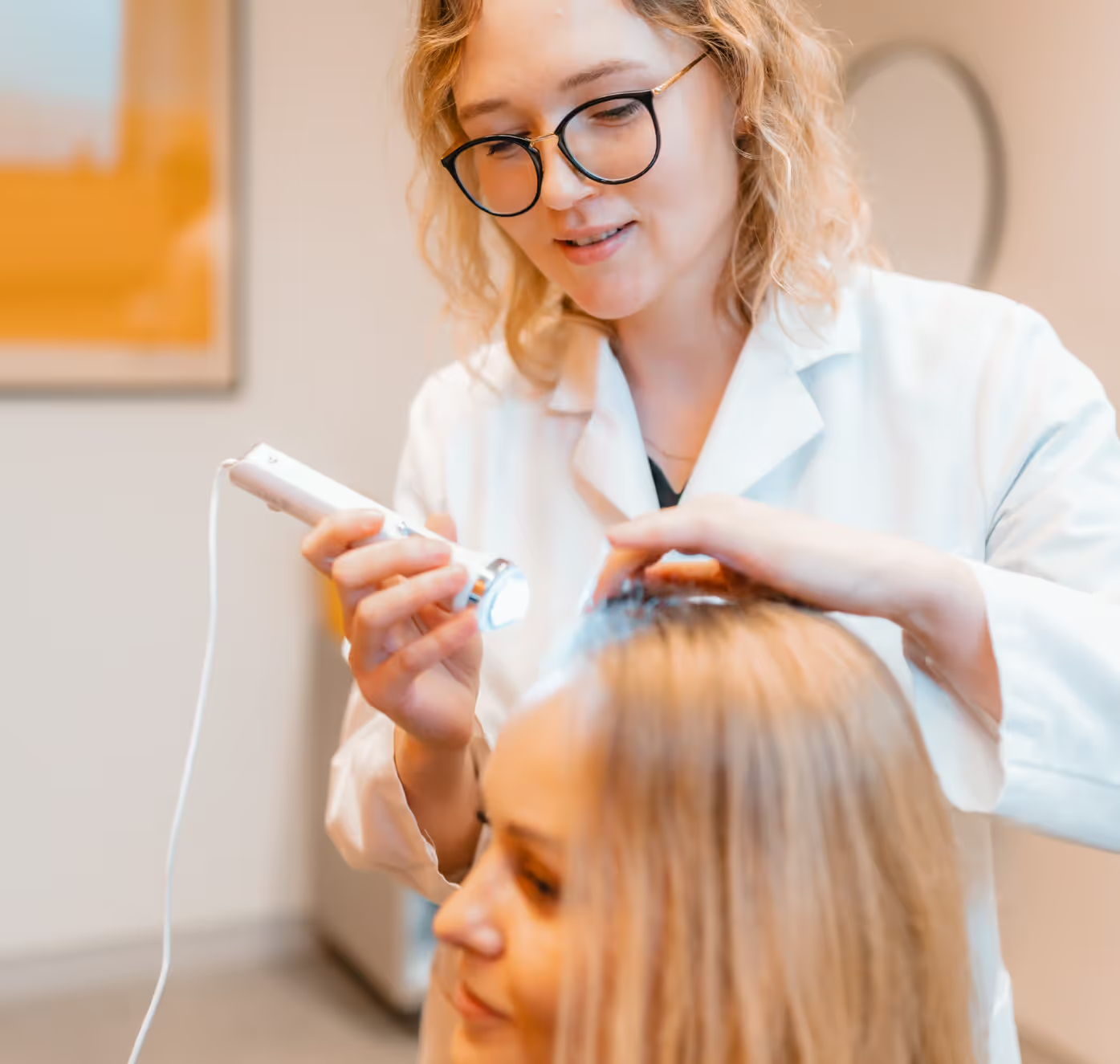
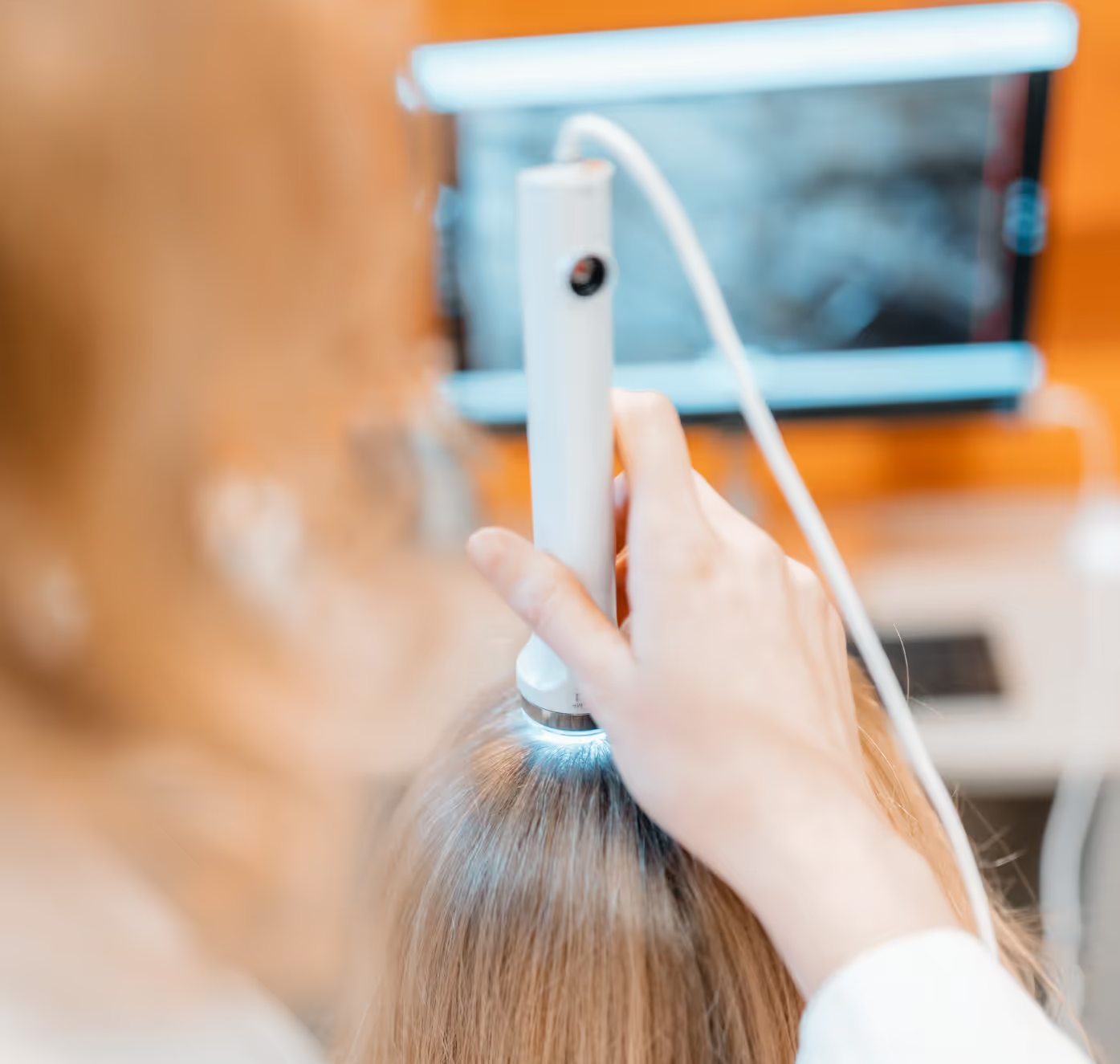
- Trichogram—a microscopic exam of the hair roots
- In some cases a scalp tissue sample
If causes such as iron deficiency are found, your doctor can prescribe appropriate products. For hormonal problems, hormone therapy is sometimes helpful, though options are often limited by potential side effects.
Losing hair can be psychologically very hard. Many people withdraw from their social circle and lose confidence. Do not hesitate to seek professional support if shedding affects your wellbeing.

Postpartum hair loss may feel alarming at first, but it is a completely natural process. As you now know, this shedding comes from hormonal changes that normalize again over time. Most women experience increased loss about three to five months after delivery; it usually eases within a year.
During that time you can support your hair with gentle care, balanced nutrition, and enough rest. Supply of iron, zinc, and biotin is especially important. My tip as a midwife remains silica—a well-proven aid for strengthening hair structure.
If shedding lasts longer than six months or you lose more than 100 hairs a day, seek medical advice. A nutrient deficiency or thyroid problem may need treatment.
Remember: this phase is temporary. Your hair will grow back toward its pre-pregnancy fullness. Patience is decisive. Enjoy the precious time with your newborn—soon both your body and your hair will find balance again.