Understanding hair loss
Finally Stopping Hair Loss: The Practical Treatment Guide
Finally stopping hair loss: learn in our practical guide which treatments really help and how you strengthen your hair growth.
Did you know that nearly 80% of all men and every third woman in Switzerland will face hair loss at some point in their lives?
In fact, a certain amount of shedding belongs to normal everyday life — losing between 60 and 80 hairs daily is completely natural and part of the renewal process of our scalp. When more than 100 hairs fall out per day or bald patches form, however, we speak of hair loss that needs treatment.
The question "What helps against hair loss?" cannot be answered in a blanket way. Every case is individual and requires different approaches. In this practical guide we explain how you can stop hair loss and what you can do against it — from dietary changes and scalp care to medical treatments.
While the one miracle solution does not exist, there are effective methods with which we can counteract hair loss. Let us understand the causes together and discover the best treatment options for your specific problem.
Understanding the causes of hair loss

Genetic predisposition and hormonal influences
The most common form of hair loss is androgenetic alopecia, also known as hereditary hair loss. Here the hair roots overreact to the hormone dihydrotestosterone (DHT), a derivative of testosterone. This hypersensitivity is inherited and can be passed on from both parents.
In affected people, DHT causes the hair follicles to shrink, which leads to regression of the supplying blood vessels. As a result the hair roots are no longer adequately supplied with nutrients. The hair growth phase shortens while the resting phase becomes longer. With each cycle the hairs grow back thinner until they finally stop altogether.
While about 80% of all men are affected over a lifetime, about 30–40% of women also experience this form of hair loss. In men it typically begins between ages 30 and 40; in women usually between ages 20 and 40.
Stress, diet, and environmental factors
Stress can also lead to hair loss. The stress hormone cortisol has a negative effect on hair growth. In addition, the released messenger substances trigger inflammation at the hair follicles, which leads to premature entry into the shedding phase. This stress-related hair loss typically appears 2–3 months after the stress event.
Nutrient deficiency also plays an important role. Iron deficiency in women in particular is a common cause of diffuse hair loss — ferritin values under 40 ng/ml are often accompanied by telogen effluvium. Further critical nutrients are biotin, zinc, and vitamin D.
Environmental factors such as air pollution, UV radiation, and water quality can also impair hair health by causing oxidative stress and damaging the protein structure of the hair.
Reversible vs. irreversible hair loss
An important distinction exists between reversible and irreversible hair loss:
Reversible hair loss occurs temporarily and can resolve by removing the cause. This includes:
- Stress-related hair loss (lasts less than 6 months)
- Nutrient-deficiency-related shedding
- Hair loss from hormonal fluctuations (pregnancy, menopause)
Irreversible hair loss arises from lasting damage to the hair follicles. This includes:
- Advanced hereditary hair loss
- Scarring hair loss
- Autoimmune diseases of the hair follicle
Early recognition is decisive: even originally reversible hair loss can lead to permanent shedding if the cause is treated too late or not at all.
Diagnosis and first steps
"Many men do not know that a combination of different actives and a healthy lifestyle can clearly slow hair loss. In particular, the use of minoxidil and the intake of biotin have shown positive results in clinical studies." — Dr. Max Mustermann, dermatologist and specialist in hair diseases
At the first signs of hair loss many people ask: Is this still normal or should I act? The right diagnostic process forms the foundation for every successful treatment.
When does hair loss need treatment?
A daily loss of 70 to 100 hairs is considered completely natural and part of the normal hair cycle. If more than 100 hairs fall out daily over a longer period, or visible bald patches form, hair loss that needs treatment is present. You should be especially attentive if hair suddenly falls out in clumps or shedding is accompanied by itching on the scalp. Clearly demarcated bald patches on the head, in the beard, or on the eyebrows are also clear warning signs.
Pull test, trichogram, and blood work
The pull test is a simple initial examination that can even be done at home. About ten hairs are pulled at the same time with constant force — not torn. Done in the morning after washing, this test delivers reliable results. If 30–40% of the pulled hairs remain in the hand, this points to active hair loss.
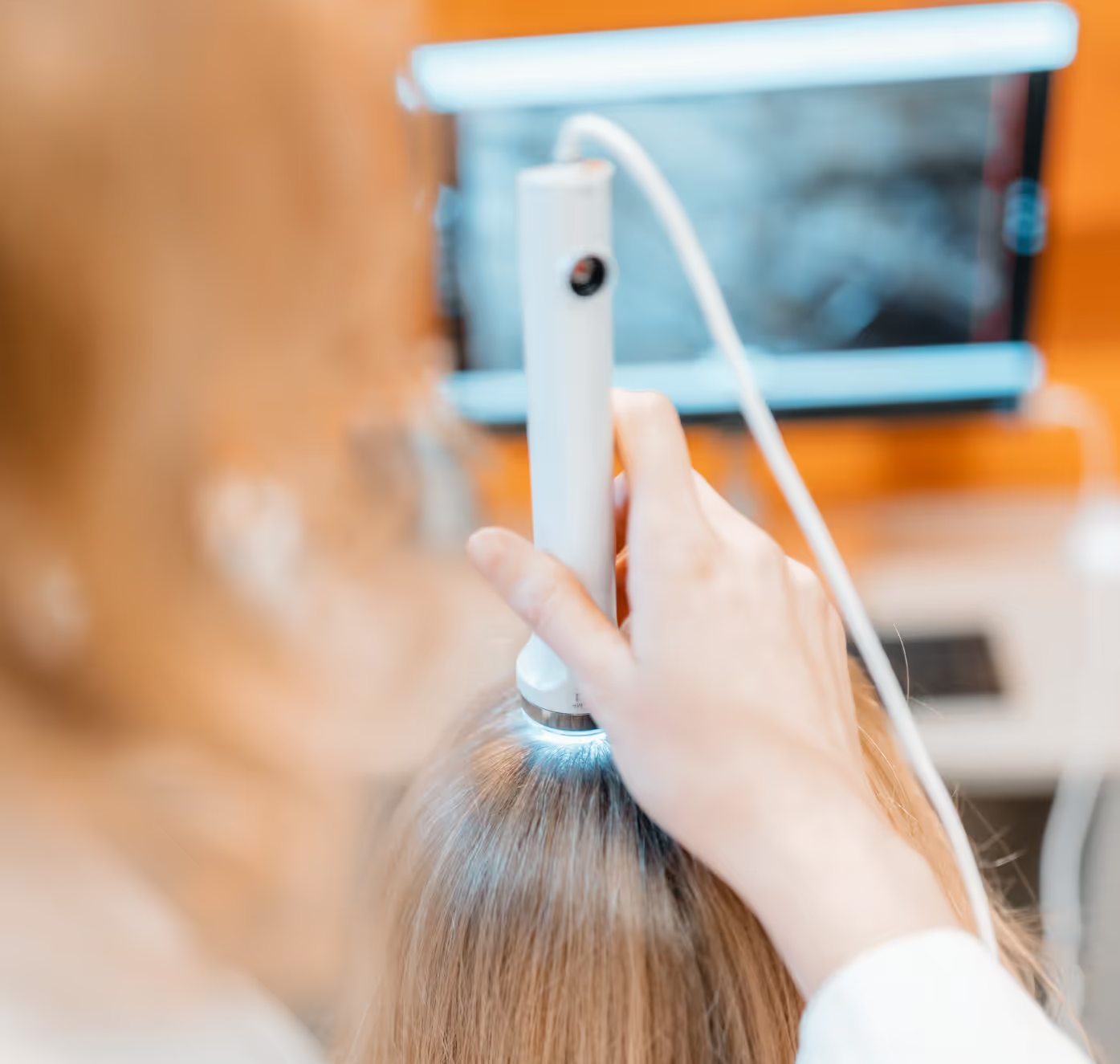
In the trichogram the doctor removes about 50 hairs, which are examined under the microscope. This analysis shows which growth phase the shed hairs are in. Before this examination the hair should not be washed for five days.
A detailed blood panel helps identify possible causes such as nutrient deficiency or hormone disorders. Checked are:
- Thyroid hormones and sex hormones
- Iron values (ferritin)
- Vitamin B12, biotin, and folic acid
- Zinc and selenium
Seeking specialist advice
With ongoing hair loss you should see a dermatologist, who first takes a detailed medical history and specifically asks about symptoms, medication use, and family predisposition. After the physical examination the doctor can recommend further diagnostic procedures such as a computer-assisted hair analysis or, in rare cases, a scalp biopsy.
The earlier the right diagnosis is made, the better the treatment outlook. A specialist can not only determine the cause of your hair loss but also create an individual therapy plan.
8 effective measures against hair loss
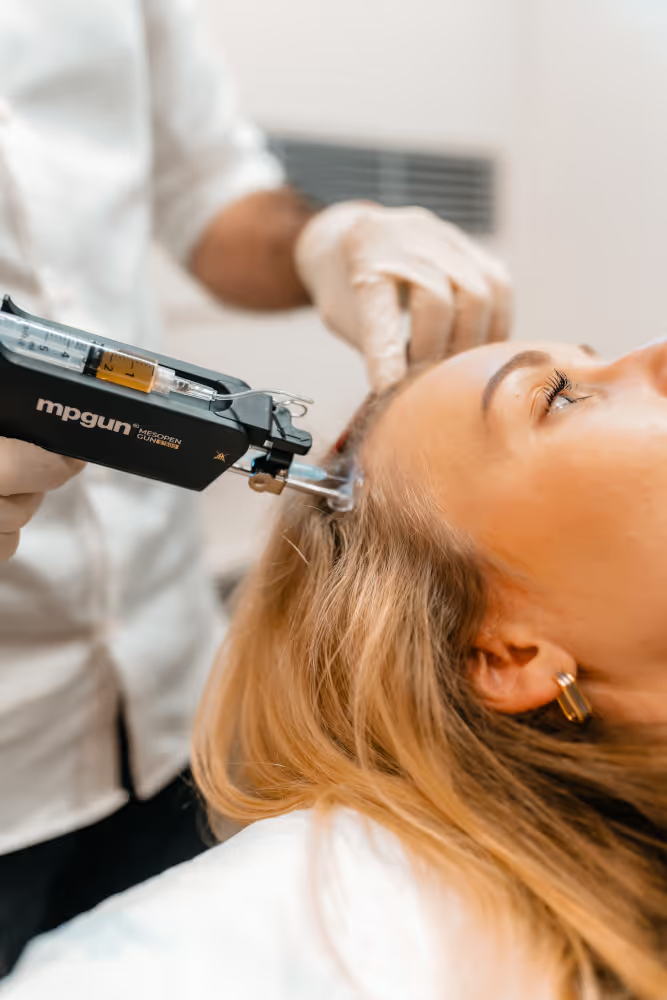
"For a more effective approach with strong or ongoing hair loss, medical treatments such as minoxidil, finasteride, or PRP therapies are clearly more effective." — Dr. Malte Kettler, specialist in dermatology, PRP therapy expert
In the fight against hair loss, diverse treatment options are available today. Once the cause has been identified, targeted measures can be taken that support hair growth and curb further shedding.
1. Optimize nutrition
A balanced diet forms the foundation of healthy hair growth. Especially important are iron-rich foods such as lentils, egg yolk, and red meat, because iron deficiency frequently leads to hair loss. Supplement your diet with zinc from oysters and whole grains as well as B vitamins from bananas and avocados. Protein-rich food supports the formation of keratin, the main component of hair. Legumes, fish, and fresh fruit and vegetables should therefore be regularly on the menu.
2. Use supplements in a targeted way
With a confirmed nutrient deficiency, supplements can make sense. Biotin strengthens brittle hair, while zinc anchors the proteins that fasten the hair in the scalp. Vitamin D also plays an important role, especially in autumn and winter. For temporary shedding a combination of sulfur amino acids, iron, and B vitamins for about three months is recommended. For chronic hair loss, by contrast, long-term therapy with zinc, selenium, iron, and vitamins B, C, and E is advisable.
3. Care for the scalp regularly
A healthy scalp is decisive for strong hair growth. Regular massages promote blood flow and thus nutrient supply to the follicles. Special serums with proteins, vitamins, or minerals can be applied three times weekly to slow hair loss. The scalp should be cleaned at least once or twice a week with mild shampoos — contrary to popular belief, frequent washing is by no means harmful to the hair.
4. Use gentle hair care products
Avoid hair care products with fragrance, aroma, and preservatives as well as parabens or silicones, because these can burden the scalp. With thin hair, care products with a high oil content should also be avoided, as they weigh the hair down. Reach instead for leave-in products that care for the hair without weighing it down. Sulfate-free shampoos protect the natural skin barrier and help prevent irritation.
5. Actively reduce stress
Because stress can be a significant trigger for hair loss, relaxation techniques such as yoga, meditation, or mindfulness exercises are worthwhile. Sport, especially endurance training in fresh air, helps break down stress hormones and at the same time promotes scalp blood flow. A good schedule with clear structures can act preventively against stress by providing calm and stability. Regular meetings with friends or other leisure activities also help the body relax.
6. Use home remedies such as rosemary or aloe vera
Natural home remedies can have a supporting effect. Rosemary oil has proven in studies to be similarly effective to the medical active minoxidil and less often causes scalp itching. Aloe vera contains numerous vitamins and minerals that can stimulate scalp blood flow. Its high zinc content strengthens the hair and makes it more resilient. Other helpful natural remedies are coconut oil, argan oil, and jojoba oil, which act antibacterial and moisturize the hair follicles.
7. Consider medications such as minoxidil or finasteride
For androgenetic alopecia two actives have proven themselves scientifically: minoxidil and finasteride. Minoxidil acts as a vasodilator and prolongs the hair growth phase. It is available as a 5% solution for men and a 2% solution for women and can improve hair growth in about 50% of users. Finasteride, by contrast, inhibits the enzyme 5-alpha-reductase, lowers the DHT level, and thereby prevents shrinking of the hair follicles. It is approved only for men, however, and can in rare cases lead to sexual side effects.
8. Hair transplant as a last option
As a last option for irreversible hair loss, a hair transplant is available. Here one's own hair follicles are taken from the back of the head and transplanted into bald spots. The two most common procedures are the FUE method (follicular unit extraction), in which individual hair follicles are removed, and the FUT method (follicular unit transplantation), in which a strip of skin is used to obtain donor hair. The most important prerequisite for a successful hair transplant, however, is first stopping progressive hair loss with other therapies.
Care and prevention in everyday life
Daily hair care plays a decisive role in preventing hair loss. With a few simple adjustments to your habits you can maintain the health of your hair long term.
Gentle hairstyles and less heat
Overly tight hairstyles place high mechanical stress and can favor hair loss. Wear your hair open more often or use twisted hair ties without metal clasps. Tight head coverings such as helmets should also not be worn permanently.
Heat lastingly damages hair structure. Therefore limit blow-drying, straightening, and curling irons to a minimum. Always use heat protection that acts like a shield and protects the hair fiber from temperatures up to 220°C. Blow-dry with the coolest air possible.
Sun protection for scalp and hair
High sun exposure leads to more hairs switching into the resting phase and falling out faster. Especially with a part, fine hair, or a receding hairline the risk of sunburn is increased. A head covering offers the best protection — wide-brimmed hats additionally shield face and neck.
Alternatively use special UV protection products for hair and scalp, especially with colored hair. These should be renewed every two hours.
Regular salon visits to prevent split ends
Blow-drying, straightening, and friction promote split ends, which can no longer be repaired. Through regular salon visits every 3–4 months for a trim you limit the damage early. This not only preserves length but also helps prevent breakage.

Hair loss is undoubtedly among the most burdensome experiences in many people's lives. Yet today there are more possibilities than ever to counteract this problem. Investigating the causes forms the first important step, because every successful treatment is based on a clear understanding of the individual triggers. Whether genetic factors, stress, or nutrient deficiency lie behind your shedding — an early diagnosis significantly improves the chances of success.
Especially important appears the combination of different approaches. A balanced diet, targeted supplementation, and gentle hair care form the foundation of every treatment strategy. In addition, medical actives such as minoxidil or finasteride can achieve remarkable results in androgenetic alopecia. If these measures are not enough, a hair transplant offers a lasting solution.
Do not forget, however: patience plays a decisive role. Most treatment methods need at least three to six months before first successes become visible. During this time it is worth integrating preventive habits such as gentle hairstyles, heat protection, and sun protection into everyday life. Thereby you not only protect your existing hair but also support the growing hair.
Ultimately: the earlier you act, the better your chances. Do not hesitate to see a dermatologist at the first signs of excessive hair loss. With the right knowledge and the right treatment methods you can fight your shedding effectively and return to fuller, healthier hair.