Understanding hair loss
"My Thin Hair Finally Got Stronger" — A True Story With a Solution
My thin hair finally got stronger—discover my true story and the simple solution that transformed my hair growth.

My journey to strengthen thin hair began with a shock in front of the mirror when I noticed how sparse my once-full hair had become. Hair is considered thin when the diameter of a single strand is no more than 0.04 millimeters. This problem affects more people than you might think—over 95% of all cases of hair loss trace back to androgenetic alopecia, hereditary hair loss.
Especially unsettling for me was realizing that thin hair can often be a symptom of existing deficiencies in the body. In Germany, according to the Robert Koch Institute, nearly 60 percent of women and men unknowingly have a vitamin D deficit, while a lack of silicon, iron, zinc, and other nutrients can also impair hair health. Thin hair can have more than physical causes—it is a topic that sometimes comes with shame and self-confidence problems. In this article I share my personal story of how I made my thin hair stronger again and which solutions actually worked for me.
How It All Began: My Hair Kept Getting Thinner

First Signs and Uncertainty
The loss did not come overnight; it crept slowly into my life. What started with individual hairs on the brush developed into diffuse loss over the whole head. Especially worrying for me was the gradually widening part line.
This gradual process was subtle enough that it went unnoticed for months—and yet obvious once I looked at old photos. The physical change in my hair brought something else with it: deep emotional insecurity. My self-worth suffered considerably. I felt less attractive and began avoiding certain social situations for fear of what others might think about my thinning hair.
The burden grew with every day that more hairs landed in the drain. Hair is especially for women an expression of personality and decisive for first impressions. Dissatisfaction with my hair led to constant fear of rejection and growing insecurity.
What I Learned About Thin Hair
Through my research I learned that losing up to 100 hairs daily is completely normal. Only when hair permanently becomes thinner or bald patches form is action needed. With my diffuse loss—evenly distributed over the whole head—various factors were possible:
Especially revealing was the insight that hormonal changes, vitamin and nutrient deficiencies, and thyroid problems are common triggers. Important nutrients for healthy growth include iron, zinc, selenium, copper, and calcium, plus vitamins A, C, E, H, and B. Emotional stress can also lead to hair loss, as can wrong styling and unsuitable care products.
I also learned that thin hair can be more than a cosmetic problem—it often hints at physical or emotional imbalances. That insight motivated me to dig deeper into how I could strengthen my thin hair.
Difference Between Fine and Thin Hair
An important insight was the difference between fine and thin hair—two terms I had wrongly used interchangeably. Fine hair refers to the diameter of the individual strand, while thin hair describes the number of hairs on the scalp.
Fine hair has a diameter of about 0.04 millimeters, while normal hair is about 0.05 to 0.07 millimeters thick. It feels soft and silky but can tangle easily. Thin hair, by contrast, refers to density—how many hairs are on the scalp and how close they sit.
This difference is decisive for the right care: fine hair needs products that do not weigh it down, while thin hair needs nutrients and strength. With this knowledge I could search more purposefully for solutions to strengthen my thin hair and regain confidence.
The Causes Behind My Thin Hair
After months of shedding I began researching causes intensively. As I discovered, thin hair can be caused by various factors. Trying to identify my personal trigger, I found several possible reasons at once.
Hormonal Changes and Stress
My suspicion first fell on hormonal fluctuations. In women, estrogen levels have a major influence on hair density. In menopause this level falls, which in about one in five women leads to thinning hair. Similar effects can appear after pregnancy or after stopping the contraceptive pill.
Stress also played a decisive role in my life. When we are under pressure, the body releases more of the stress hormone cortisol, which inhibits hair growth. The number of nerve fibers around each follicle also increases, releasing messengers that can lead to inflammation. This inflammatory reaction shortens the growth phase of hair—a process that usually becomes visible only two to three months after the stress event.
Vitamin and Nutrient Deficiency
A big surprise for me was discovering that my diet had a substantial influence on my hair health. For healthy growth the body needs enough:
- Iron: Transports oxygen to follicles; deficiency can lead to hair loss
- Zinc: Involved in synthesizing keratin, the main component of hair
- Vitamin D: Influences the follicle cycle; according to the Robert Koch Institute nearly 60 percent of people in Germany have a vitamin D deficit
- B vitamins: Especially B12 plays an essential role in normal follicle function
- Sulfur-containing amino acids: Needed to form keratin
It turned out I had a mild iron deficiency—a problem that is especially common in women.
Thyroid Problems as a Trigger
Another important factor was my thyroid function. Thyroid hormones T3 and T4 directly influence hair-forming cells. In underactivity, growth slows, hair becomes brittle and can fall out. In overactivity, by contrast, hair grows too fast, becomes thinner and thinner, and can break easily.
After a blood test it turned out I had a mild underactive thyroid. Notably: the strength of hair loss does not necessarily correlate with the intensity of the thyroid dysfunction.
Wrong Care Products and Styling Mistakes
At the same time I realized that with my daily care routine I was unintentionally harming my hair. Daily washing can dry the scalp and lead to increased sebum production. My rich leave-in products also made my fine hair look stringy and flat quickly.
Among the most serious mistakes:
- Excess straightening: Heat made my hair lie neatly but with no hold or volume
- Hair that was too long: With thin hair, long lengths often do not look as bouncy and sexy as hoped
- Products with alcohol: Even small traces irritate the scalp and negatively affect volume
Especially problematic was my shampoo with sodium lauryl sulfate, which can attack follicles and inhibit growth.
Realizing that my thin hair had several causes was overwhelming at first. That knowledge also gave me the chance to counter it purposefully and give my hair the support it needed to become stronger again.
What Really Helped: My 5 Most Important Measures
After numerous attempts and some setbacks I finally found which measures truly worked wonders for my thin hair. These five strategies helped me grow stronger, fuller hair again.
1. Changed My Diet and Targeted Nutrient Support
The biggest change began in my kitchen. I shifted my diet toward nutrient-rich foods that specifically support hair health. Especially important were iron-rich foods such as lentils, nuts, and lean meat, because iron supports oxygen transport to follicles. I also integrated more zinc through hard cheese and oats, because this trace element is essential for keratin formation.
After a blood test I specifically supplemented biotin and vitamin D, which studies suggest help maintain normal hair. Continuous intake mattered—I noticed first improvements only after about six weeks. A balanced diet with enough protein formed the foundation for healthy growth, because hair consists mainly of keratin, a protein.
2. Switched to Natural Hair-Care Products
I replaced my sodium-lauryl-sulfate shampoo with a mild, sulfate-free product. Aggressive ingredients had irritated my scalp and disrupted sebum production. Switching to natural care visibly calmed my scalp.
Surprisingly, I completely dropped conditioner, which weighed down my fine hair. Instead I used a light volume spray developed especially for fine hair and free of silicones.
3. Regularly Used Home Remedies Such as Castor Oil and Avocado
Once a week I treated my hair with homemade masks. Castor oil proved a true wonder. The ricinoleic acid it contains fights bacteria and has an anti-inflammatory effect on the scalp. With regular use my scalp blood flow improved clearly.
My favorite mask consisted of a mashed ripe avocado, a teaspoon of olive oil, and a little honey. I massaged this mix thoroughly into hair and scalp, left it for 30 minutes, then washed with mild shampoo. The valuable fats and antioxidants in avocado sustainably strengthened my hair structure.
4. Stress Management Through Yoga and a Sleep Routine
After understanding how strongly stress affected my growth, I integrated 20 minutes of yoga into my daily routine. Especially forward-folding asanas such as downward dog greatly improved blood flow to my head region.
I also established a consistent sleep routine with at least seven hours of sleep. During deep sleep, cells regenerate intensively—including those of the follicles. After only a few weeks I noticed less shedding when brushing in the morning.
5. Dermatological Workup and Blood Test
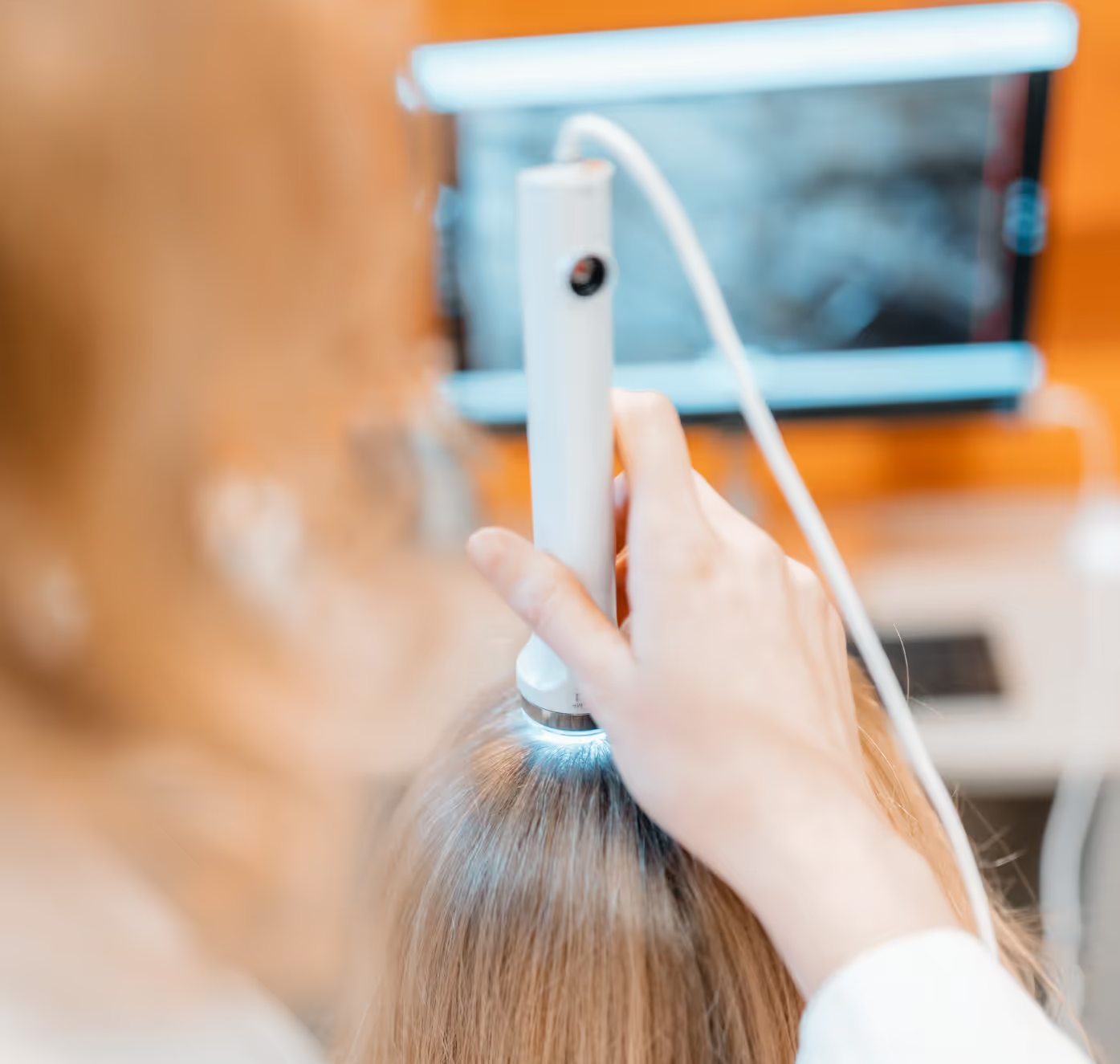
The decisive turning point came through a comprehensive blood test with a dermatologist. It identified my iron deficiency and mild underactive thyroid as main causes of my thin hair. The test also checked important values such as ferritin (storage iron), zinc, vitamin D, thyroid hormones, and biotin.
Based on these results my doctor could develop a tailored treatment. Targeted correction of the deficiencies brought visible improvements within a few months. The test also ruled out other possible diseases as causes, which was a great relief.
Care Products That Visibly Strengthened My Hair
Searching for effective products for my thin hair, I made many wrong purchases until I finally found the right ones. The following care products demonstrably strengthened and visibly improved my hair.
Mild Shampoo Without Sulfates
I switched to a sulfate-free shampoo that no longer irritated my scalp. Sulfates are aggressive surfactants that create nice foam but can strip the scalp's natural oils too strongly. Especially effective was a mild, pH-neutral shampoo developed for sensitive scalp. These gentle cleansers remove dirt and residue without attacking follicles. After about four weeks of regular use I noticed clearly less shedding when washing.
Biotin Serum for the Scalp
A biotin serum with caffeine and hyaluronic acid also worked wonders. I applied it daily to my scalp, strengthening the roots. Biotin demonstrably supports keratin production and contributes to stronger, healthier-looking hair, while caffeine stimulates the scalp and supplies roots with energy. With consistent daily use, first results showed after four weeks. Such a serum with regular use could reduce hair loss by up to 50%.
Volume Spray for More Fullness
As a complement I use a light volume spray with natural manuka honey and organic grapefruit extract. This combination seals moisture in the hair and makes it more pliable without weighing it down. Unlike heavy styling products, it creates fullness without making hair look flat. A good volume spray ideally also contains ingredients such as keratin or panthenol that strengthen hair structure.
Why I Skip Conditioner
Surprisingly, I now completely skip conditioner. It weighs down fine hair at the roots and later makes it look flat and greasy. Instead I occasionally apply light oils only to the ends. By skipping conditioner my hair has more hold and looks overall more voluminous. Special rinses for fine hair with ginger extract and coriander-seed oil can be an alternative, because they do not weigh hair down but revitalize it.
What I Do Differently Today—and What I Have Learned
The path to stronger hair was not a sprint for me but a marathon. I have now established a new routine that sustainably strengthens my hair and enriches my everyday life.
Regular Scalp Care
First I understood: healthy growth starts at the root. Daily scalp massages are now a fixed part of my evening routine. This two-minute massage boosts blood flow and stimulates follicles. With my fingertips I massage gentle circular movements—not only relaxing but actually effective for strengthening hair.
Especially effective: a few drops of scalp tonic with caffeine, biotin, and mint. This combination further boosts circulation. Once a week I also use a mild scalp mask with a peeling effect that removes dead skin flakes and prevents inflammation.
Patience and Continuity Are Decisive
The most important learning process was understanding that every hair has its own pace. "Patience is a virtue when it comes to hair growth"—this sentence accompanies me daily. Real improvements show only after consistent use over months.
Even with optimal care and nutrient supply, it can easily take three months before growth is noticeably stimulated. That insight made my expectations more realistic. Instead of looking for daily changes, I photograph my hair every four weeks to document real progress.
Self-Acceptance Despite Slow Progress
Still, the most important insight remains: thin hair affects many people and is no reason for shame. The body-neutrality movement helped me understand that I do not have to love every detail of my body. It is okay to criticize my thin hair and work on improvements at the same time.
Keeping a journal helps me get to know myself better and reflect on my progress. That strengthens my self-worth independent of the state of my hair. While I work toward stronger hair, I have learned: true beauty lies in diversity and self-acceptance.

My journey to stronger hair taught me that thin hair need not be an unchangeable fate. Numerous factors interact—from nutrient deficiency through hormonal fluctuations to wrong care. The key to success ultimately lay in a holistic approach that goes far beyond shampoo and styling.
Changing my diet, together with targeted supplements, brought the first noticeable improvements. The combination of iron-rich foods, biotin, and vitamin D proved especially effective for my hair health. Switching to sulfate-free products and regular scalp massages also clearly improved my hair quality.
I had to learn to be patient. Positive changes take time—at least three months of consistent use were needed before I could see first results. That insight helped me develop realistic expectations and enjoy the process instead of hunting for daily changes.
Looking back, the dermatologist visit was decisive for my success. The comprehensive blood test uncovered my individual deficiencies and enabled tailored treatment. I could counter purposefully instead of trying random products.
Independent of all outer improvements, the most important lesson remains: self-acceptance is the true key to wellbeing. While I continue working toward stronger hair, I have learned not to define myself exclusively by my appearance.
If you have similar problems with thin hair, I recommend first exploring the causes. Your personal solution may look quite different from mine. Thin hair affects many people—you are not alone. With patience, the right measures, and professional support, you too can experience positive changes and regain your confidence.