Regenerative therapies
PRP Treatment for Hair Loss
Learn everything about PRP treatment for hair loss: costs, process, effects & experiences. Natural hair therapy with your own blood – safe & effective.
Hair loss is more than a cosmetic issue for many people – it can strongly affect self-esteem. Whether genetic, hormonal, or stress-related: the causes vary, but treatment options are becoming more advanced.
One particularly gentle and effective method is PRP therapy (Platelet-Rich Plasma). It uses the body’s own growth factors from blood to reactivate weakened hair roots and support natural hair growth.
In this article you will learn how PRP treatment for hair loss works, who it is suitable for, what results are possible, and what costs to expect – including hair analysis and attractive treatment packages.
Summary:
Natural treatment with your own blood plasma (PRP)
Supports hair growth & helps stop hair loss
Suitable for early hair loss (genetic, diffuse, stress-related)
3–6 sessions recommended, few side effects
Hair analysis free of charge, 4× PRP = CHF 2000, 8× PRP = CHF 4000
High effectiveness with regular use
What is PRP therapy for hair loss?

Especially in androgenetic hair loss, this method has proven effective. Autologous blood therapy for hair loss stimulates hair follicles naturally – without medication or surgery. As a gentle option, it helps many people stop hair loss and regain confidence.
How does PRP work for hair loss?
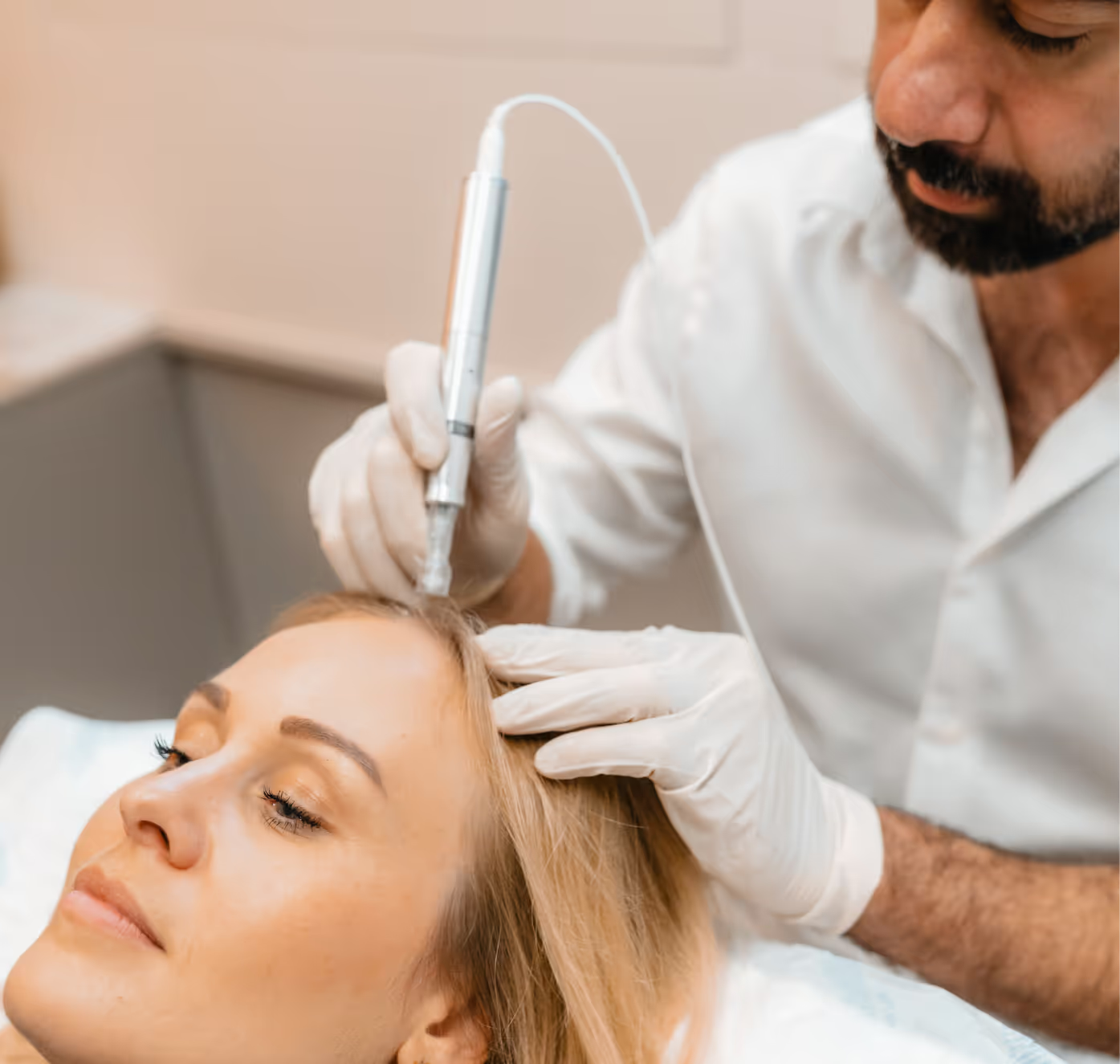
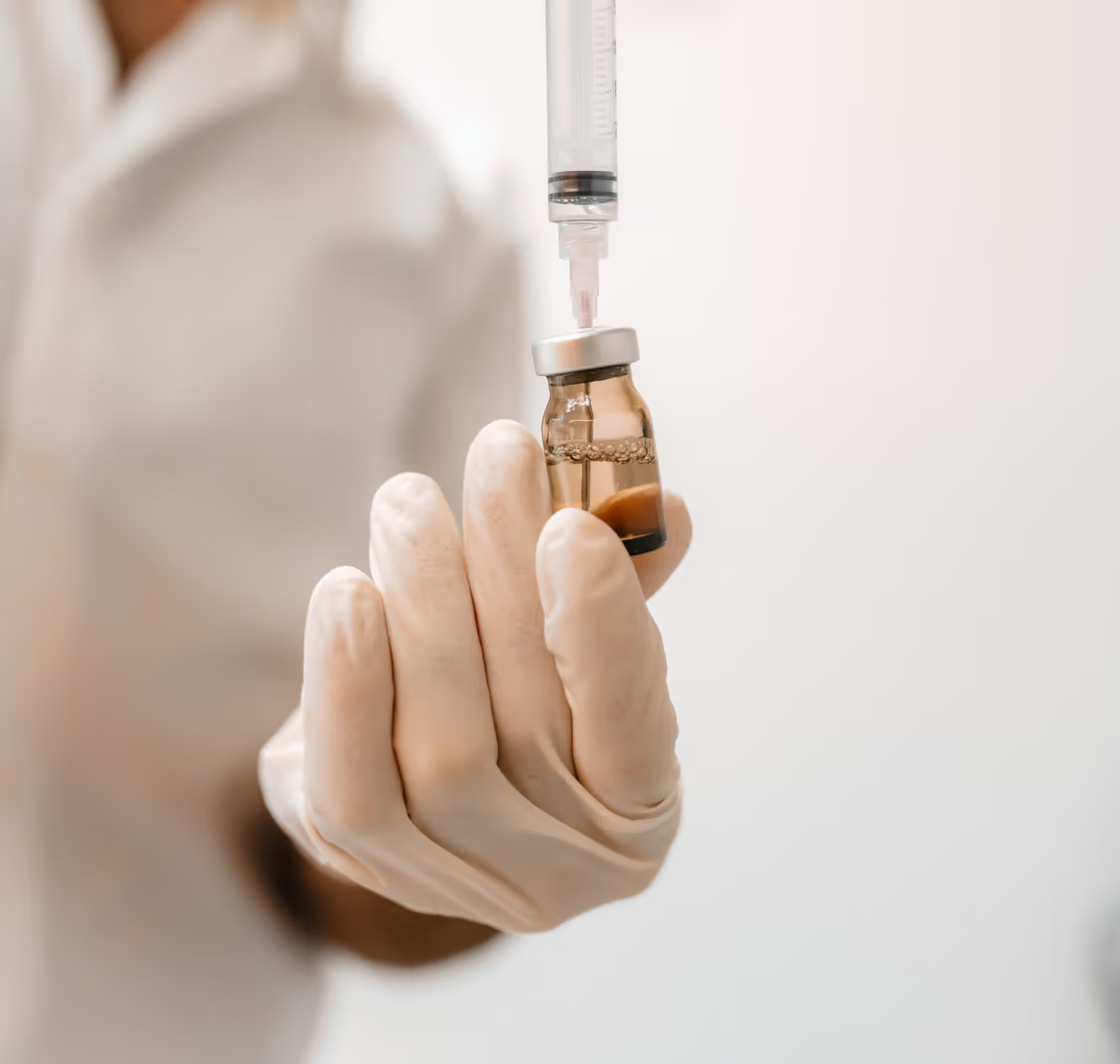
In PRP treatment for hair, a small amount of blood is drawn from the patient, processed, and then injected into the scalp. After activation, the platelets release a wide range of growth factors. These support cell regeneration, improve microcirculation, and stimulate stem cells around the hair roots.
PRP autologous blood therapy for hair activates resting hair follicles and prolongs the anagen (growth) phase of the hair. Through targeted plasma treatment for hair in thinning areas, hair often becomes visibly stronger and fuller. In many cases, hair loss can be slowed or even reversed with autologous blood therapy.
Reports of PRP hair-loss experiences show that after only a few sessions, patients often notice less hair loss and better hair feel.
Which types of hair loss can be treated with PRP?
PRP treatment for hair loss is suitable for various forms of hair loss. Autologous blood therapy for hair loss is especially effective for:
Androgenetic hair loss: Genetic, common in men.
Diffuse hair loss: Often hormonal or stress-related.
Telogen effluvium: Reaction to illness, medication, or childbirth.
Hair loss after hair transplants: PRP supports healing and growth.
Women also benefit from PRP for hair loss, for example with postpartum hair loss or hormonal changes. Autologous blood treatment for hair loss offers a way to intervene early and revitalize hair follicles.
Patients with PRP hair-root treatment experience often report a clear stabilization of their hair. Therapy is usually most successful when enough active hair roots are still present.
The process of a PRP treatment for hair loss
Plasma treatment for hair follows several steps:
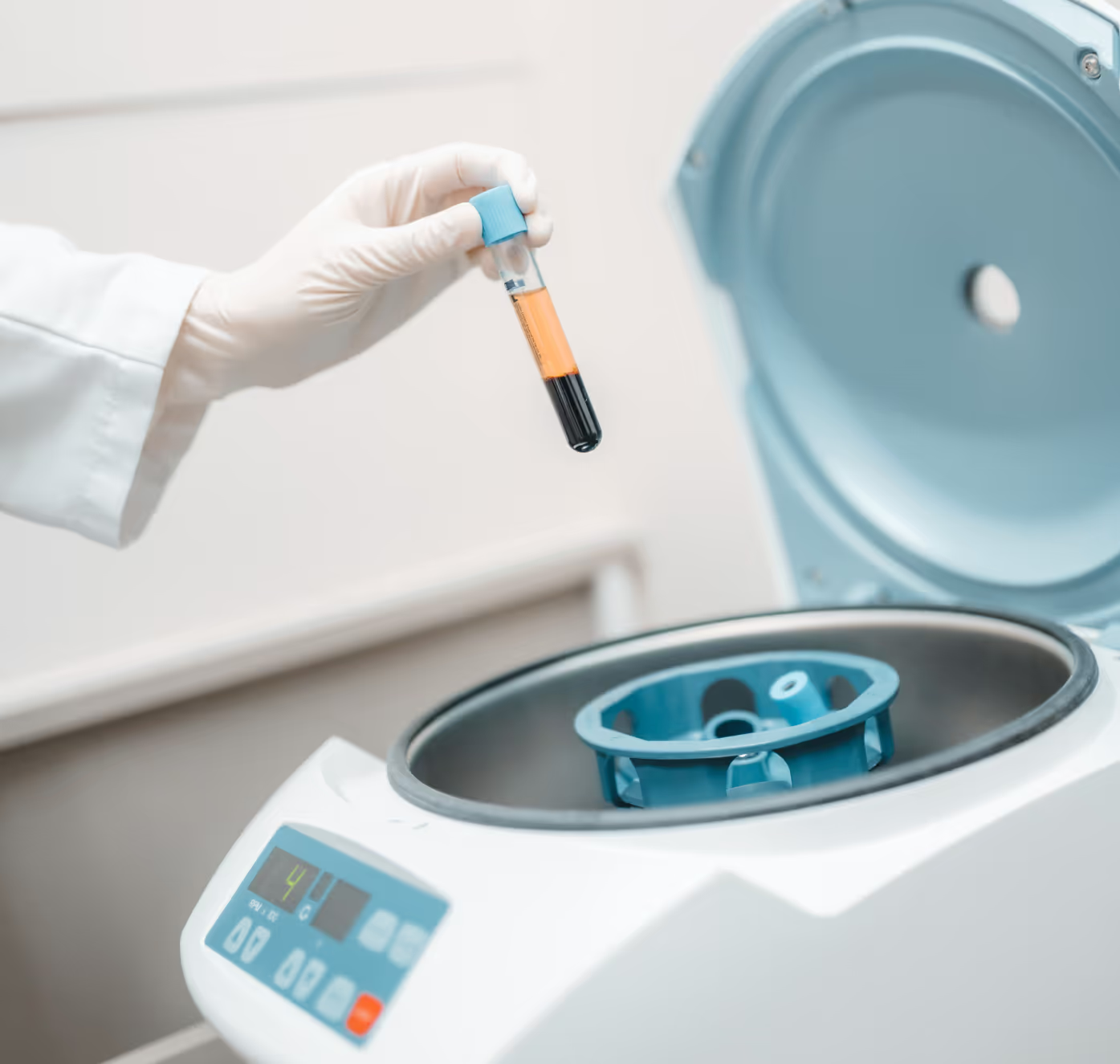
Blood draw: About 10–30 ml of blood is taken.
Centrifugation: The blood is processed to isolate the blood plasma relevant for hair loss.
Injection: PRP is injected with fine needles directly into the affected scalp areas.
Autologous blood treatment for hair loss takes about 45 minutes and is nearly painless. If needed, a numbing cream is applied. Right after the injection against hair loss, everyday life can continue as usual. There is no downtime.
The method is especially effective in combination with further therapies such as microneedling or minoxidil. Many clinics combine PRP for hair with supportive measures to optimize results.
Success rate and possible side effects of PRP therapy for hair loss
PRP treatment for hair is considered very safe. As autologous blood therapy for hair, it carries few risks because no foreign substances are used. Possible side effects include:
Short-term swelling or redness
Mild pressure at the injection site
In rare cases, small bruises
PRP hair-loss experiences are mostly positive. The success rate depends on the individual hair condition, but is especially high with early treatment. Clinical studies and patient reports show:
Stronger, thicker hair
Clearly reduced hair-loss rate
In some cases, new hair growth
Many patients confirm in their PRP hair-loss experience that first improvements appear after only a few weeks.
How many sessions are needed for visible results?
As a rule, a treatment cycle of 3–6 sessions at intervals of 4–6 weeks is recommended. For lasting effect, plasma treatment of the hair at intervals makes sense – for example a refresh every 6–12 months.
A typical treatment plan for injections against hair loss looks like this:
Week 0: First session
Week 4–6: Second session
Week 8–12: Third session
Month 6–12: Maintenance treatments
Patients with PRP hair-root treatment experience report that the best results become visible about 3 months after starting therapy.
Consistent use of autologous blood therapy for hair is key to long-term success.

PRP therapy is an aesthetic service and is generally not covered by health insurance. Still, fair and transparent offers exist:
Hair analysis – free of charge
4 × PRP treatment – CHF 2000
8 × PRP treatment – CHF 4000
Many providers offer installment payments or flexible financing plans. If you are interested, it is worth booking a consultation to determine individual needs and choose a suitable package.
Conclusion: PRP treatment offers an effective, safe, and natural solution for hair loss. Those who start PRP autologous blood therapy for hair in time can benefit long term from stronger hair, greater confidence, and an improved appearance – entirely without surgery.