Regenerative therapies
The Truth About PRP Treatment: Costs, Process & Real Results 2025
Discover the truth about PRP treatments in 2025: costs, process, and real experiences. Find out whether autologous blood therapy really works!
PRP treatment is indeed attracting more and more attention in medicine – and for good reason. Over 300 messengers and growth factors can be released from activated platelets, which makes this form of therapy especially promising. In recent years we have seen how this autologous blood therapy is used for various conditions.
In PRP therapy, the body’s own blood is drawn and returned to the body as processed plasma. Especially interesting: the concentration of platelets in the PRP preparation is increased three- to sixfold. Whether for joint problems or as PRP treatment for hair – the areas of use are diverse. For the treatment of knee osteoarthritis, according to a meta-analysis, an effective effect over one year has even been demonstrated: patients had less pain and improved joint function.
In this comprehensive article we explain everything you need to know about PRP treatment – from the basic principle through the exact process to the actual costs, which can lie around CHF 500 per session. We also examine the current evidence on efficacy and show which results you can realistically expect.
What is PRP and how does it work?

The PRP therapy procedure is based on a simple yet effective principle: using the body’s own healing forces to treat various conditions. PRP is not a new invention – in sports medicine this method has been used successfully for a long time.
Basics of PRP therapy
The abbreviation PRP stands for “Platelet-Rich Plasma.” It is a specific form of autologous blood therapy in which mainly the platelets (thrombocytes) are processed. The basic idea is as ingenious as it is obvious: PRP therapy essentially copies the natural healing power of our blood.
What makes this treatment special is that exclusively the body’s own substances are used. As a result, allergic reactions or other side effects are extremely rare. Treatment is carried out by specially trained physicians and can be applied for various conditions – from joint problems to hair loss.
What does platelet-rich plasma mean?
Platelet-rich plasma is a platelet concentrate obtained from the patient’s blood. It consists of blood plasma from which the red and white blood cells have largely been filtered out. Normal blood contains only about 4% platelets (versus 93% red blood cells). Through special procedures, a three- to sixfold higher concentration of platelets is achieved.
What makes this concentration so valuable? Platelets contain numerous growth factors and regenerative substances. These are released when the platelets are activated and support the body’s own healing processes. These factors include, among others, “Platelet Derived Growth Factor,” “Transforming Growth Factor-β1 and β2,” as well as various other growth factors that are decisive for cell regeneration and tissue healing.
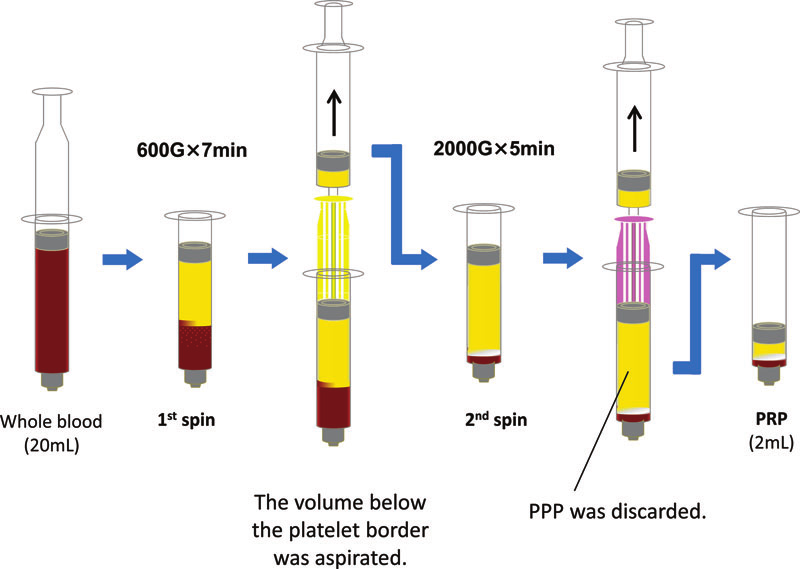
How is PRP obtained from blood?
The process of obtaining PRP comprises several precise steps:
Blood draw: First, a small amount of blood is taken from the patient – depending on the area of use between 10 and 60 ml. This corresponds roughly to the amount of a usual blood sample.
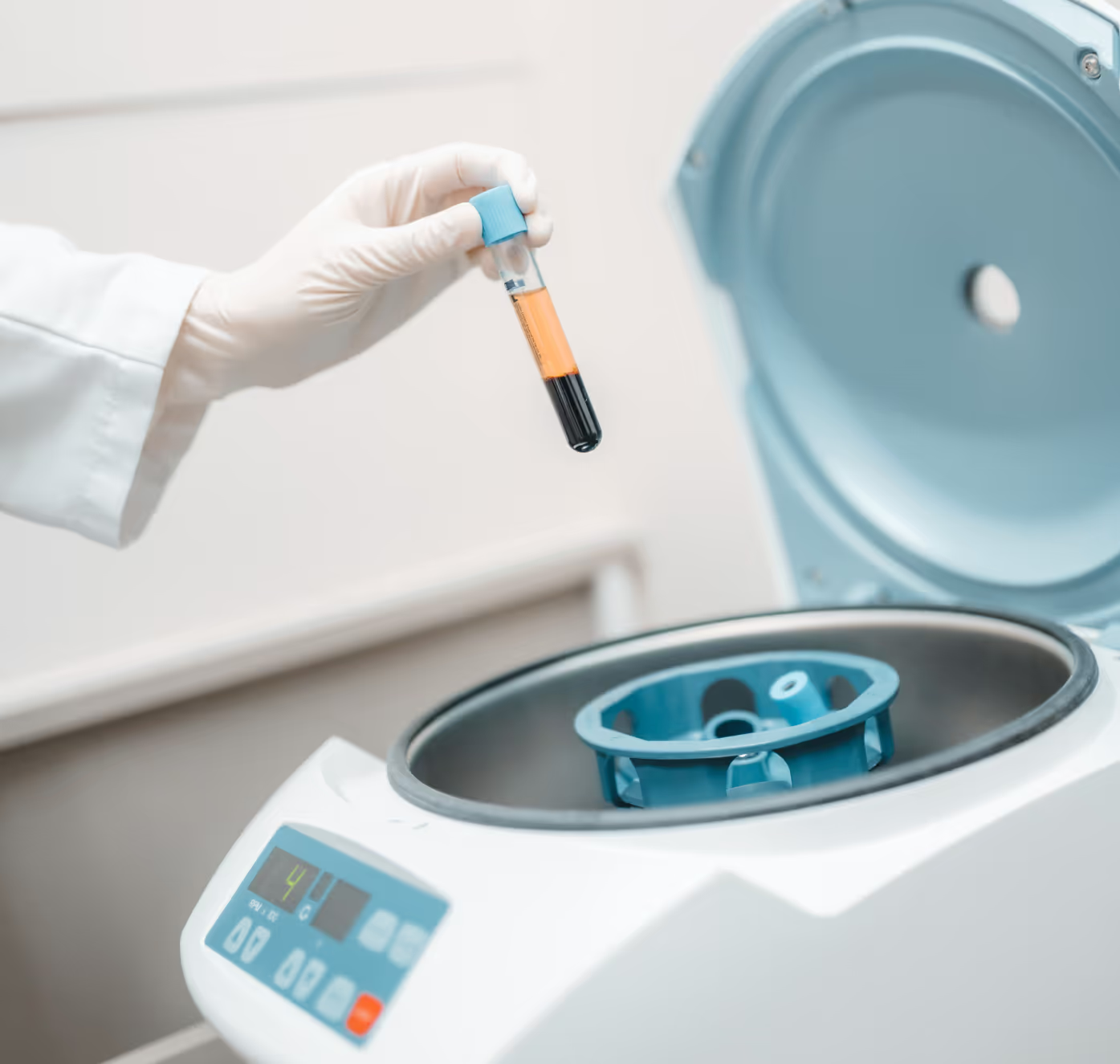
Centrifugation: The drawn blood is then placed in a centrifuge. Through centrifugal force, the blood components separate into layers based on their different specific weights. So that the blood does not clot during this process, it is often mixed with an anticoagulant such as citrate.
Processing: In this step, the platelet-rich plasma is isolated. The valuable platelets with their growth factors are concentrated while other blood components are removed.
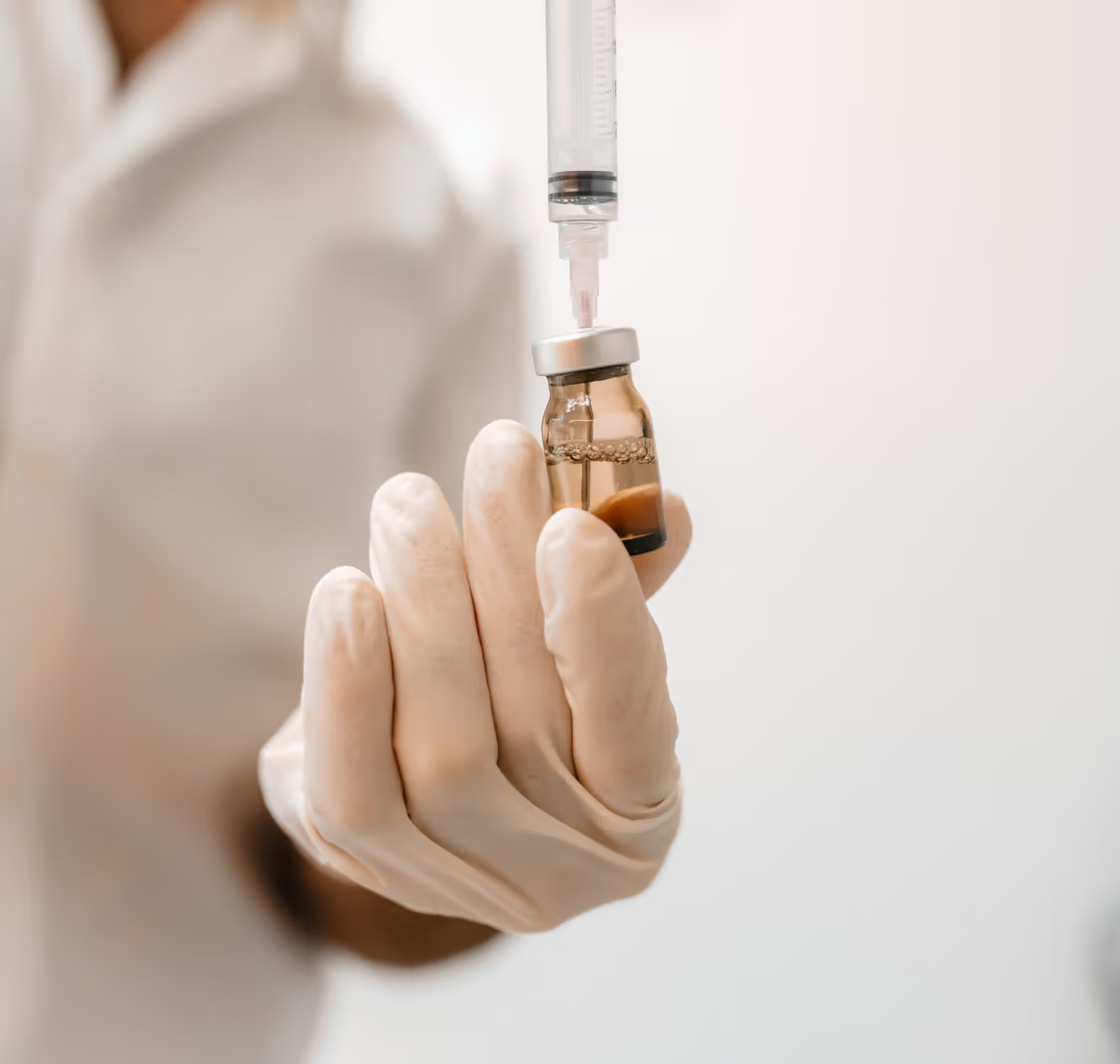
Injection: The processed PRP is finally injected into the body region to be treated, where it can unfold its regenerative effect.
This precise procedure makes it possible to apply the healing forces of the body’s own blood exactly where they are needed – whether for joint complaints, tendon injuries, or to support hair growth.
Areas of use for PRP treatment
The application possibilities of PRP therapy have expanded considerably in recent years. Thanks to the regenerative properties of platelets, the treatment is now used in various medical fields.
PRP for joint complaints and osteoarthritis
In osteoarthritis of grades I to III, PRP treatment can slow the degeneration process and delay progression of the disease. The therapy is used successfully especially at the knee and hip. Studies on the treatment of knee osteoarthritis show significant pain relief after application. Treatment is especially useful when cartilage-building preparations show no effect or patients do not want a cortisone injection. In some cases, PRP can even represent an alternative to surgery.
Use in tendon and muscle injuries
In sports, many professional clubs in football and basketball use PRP to shorten regeneration time after injuries. The therapy is especially suitable for:
- Muscle strains and muscle fiber tears
- Ligament tears and partial tears
- Tendon inflammations such as Achilles tendinitis
One study shows that athletes with partial ligament ruptures in the elbow could return to training after only five weeks, while healing after surgery often takes one to two years.
PRP treatment for hair: use in hair loss
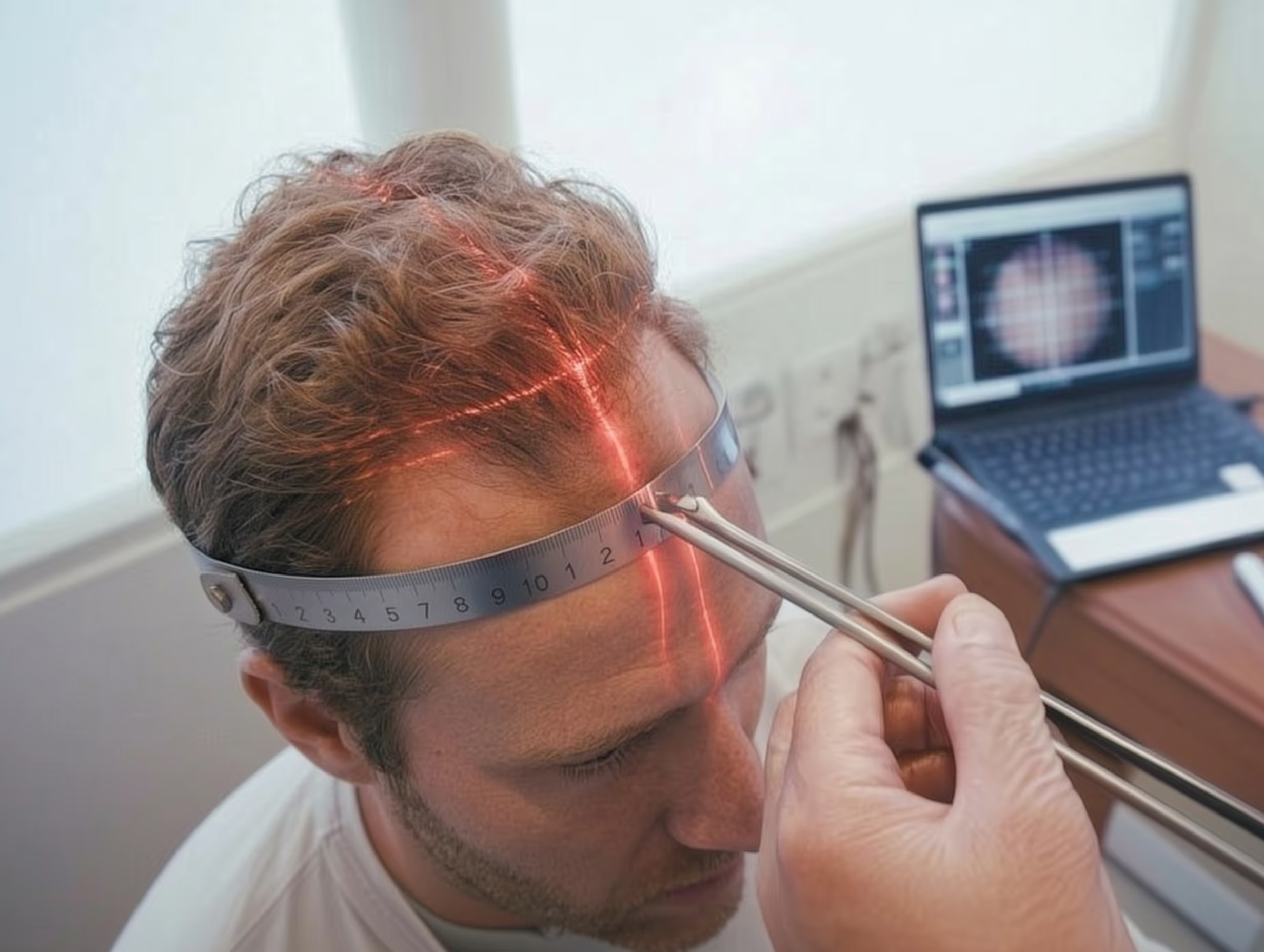
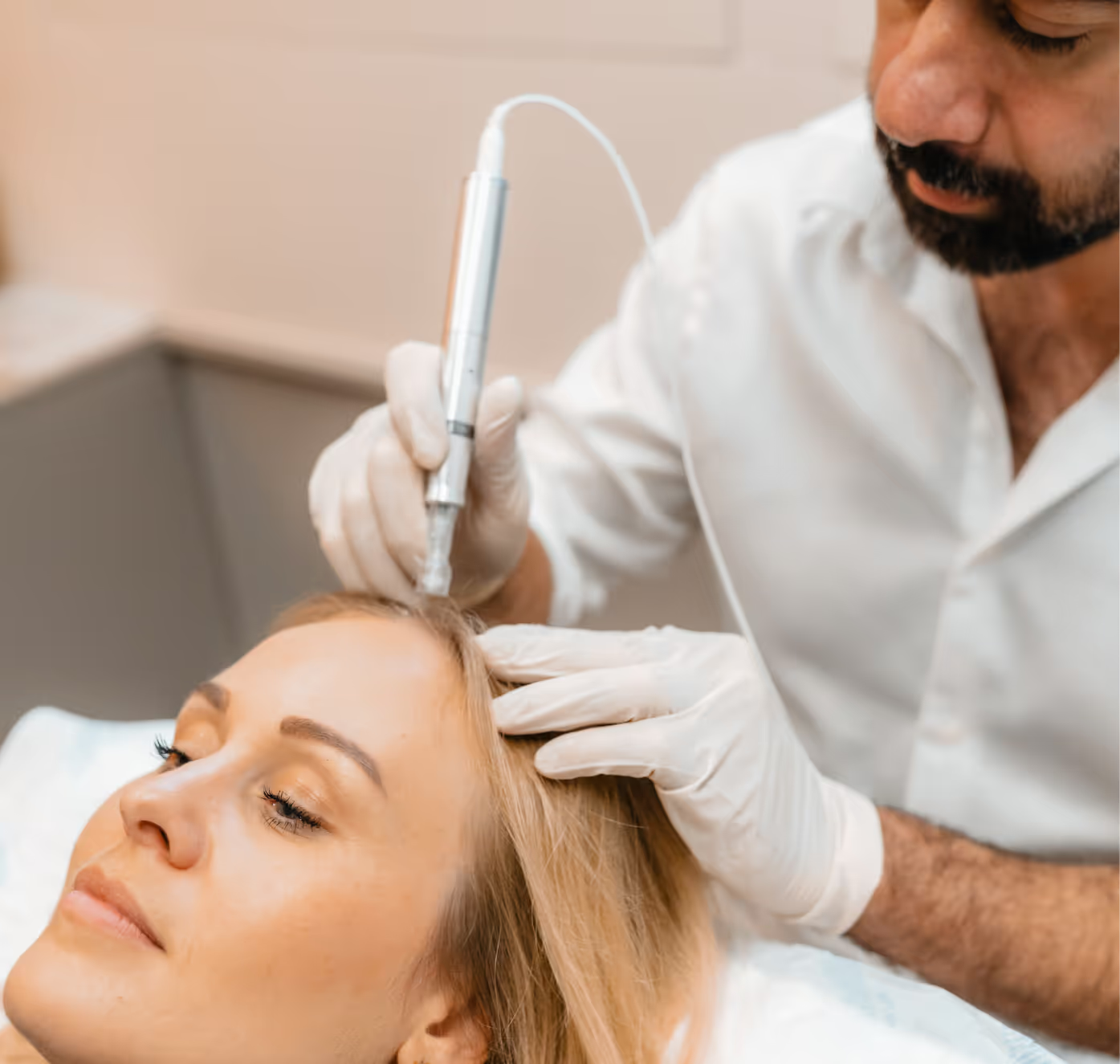
PRP treatment has established itself as a natural, non-surgical solution against hair loss. Concentrated platelets are injected into the scalp areas affected by hair loss, where they stimulate hair follicles and support the growth of new, healthy hair. First improvements appear after 2–3 months in the form of less hair loss and better hair quality. For optimal results, several sessions at intervals of 1–4 months are required.
Cosmetic applications in skin rejuvenation
In the aesthetic field, PRP is also called a “vampire facial.” This method is suitable for tightening the skin, especially on the face, neck, décolleté, and hands. The procedure promotes collagen formation and leads to a reduction of fine lines and wrinkles. After treatment the skin looks tighter, fresher, and rejuvenated. For an optimal result, 3–4 treatments at intervals of 2–4 weeks are usually recommended.
Process and delivery of PRP therapy
The full process of a PRP treatment basically runs in three main steps: blood draw, processing, and injection. Each of these steps follows a precise protocol to achieve the best possible results.
Preparation and blood draw
Before the actual treatment there is first a detailed consultation in which your individual needs and expectations are discussed. For optimal plasma yield it is advisable to drink 0.5 to 1 liter of fluid before the appointment. The blood draw itself resembles a routine blood sample – depending on the area of use between 10 and 60 ml of blood is taken from the arm vein. This first step is nearly painless and takes only a few minutes.
Centrifugation and processing
The drawn blood is then placed in a special centrifuge. Through centrifugal force the blood separates into its different components:
- Erythrocytes (red blood cells) collect at the bottom
- Platelet-rich plasma forms the middle layer
- Platelet-poor plasma floats at the top
Centrifugation takes about 10 to 15 minutes at 1,300 to 2,600 g or 3,400 revolutions per minute. Afterwards the valuable platelet-rich plasma is carefully separated and prepared for injection.
Injection and aftercare
The processed PRP is then injected with fine needles into the body areas to be treated. The entire treatment process takes about 30 to 90 minutes.
After treatment, aftercare is relatively straightforward. However, a few recommendations should be observed:
- Do not wash the hair for 24–48 hours
- No sport, bathing, sauna, or sunbathing in this period
- Avoid aggressive hair-care products for a few days
In the first days, mild redness, swelling, or bruising can appear at the injection site, but these usually subside quickly.
How many sessions are usual?
For optimal results, several treatments are normally carried out. A typical treatment cycle comprises 3 to 5 sessions at intervals of about one month. For the treatment of hair loss, 6 to 8 sessions are often recommended.
Afterwards, maintenance treatments every 3 to 6 months can make sense. First visible results usually appear after a few weeks, while clearer and more stable results are to be expected after 4 to 6 months.
Costs, risks, and evidence base 2025
When deciding for a PRP treatment, financial aspects and possible side effects play an important role alongside medical suitability. You should also know the current scientific evidence.
What does a PRP treatment cost?
The costs of PRP therapy vary considerably depending on treatment location and area of use. For a single injection, patients should expect prices between CHF 500 and 750. For cosmetic applications or in plastic surgery, costs can rise to 400 to 800 euros per session. For the treatment of hair loss, the price is about CHF 500 per session.
Because several treatments are usually necessary, you should consider the total costs of a treatment cycle. Some clinics offer package prices – for example CHF 1,200 for three sessions for hair-loss treatment.
Which side effects are possible?
PRP therapy is generally considered a low-risk procedure because the body’s own material is used. Still, the following side effects can occur:
- Local swelling and redness (usually subside within 2–5 days)
- Small hematomas (bruises) at the puncture site
- Temporary pain in the treated area
- In very rare cases, infections if injection is not performed properly
In the treatment of hair loss, mild itching and headaches can also occur, but these usually disappear within a day.
What do current studies say about efficacy?
The scientific assessment of PRP therapy is currently not uniform. In fact, some studies show promising results while others could not demonstrate a significant benefit.
For the treatment of knee osteoarthritis, positive results are available: several meta-analyses show superiority over hyaluronic acid injections. However, the RESTORE study from 2021 found no advantage of PRP over placebo injections. Platelet concentration seems to be important – a current study shows that clinically noticeable effects only appear from a concentration of about 1,000,000 platelets/μL.
Conclusion
PRP therapy is undoubtedly a promising treatment option for various medical and aesthetic applications. Especially impressive is the versatility of this method, which can be used for joint problems as well as hair loss or skin rejuvenation.
In fact, using the body’s own healing forces offers decisive advantages over conventional treatments. The risk of allergic reactions remains minimal while at the same time the body’s natural regeneration processes are stimulated. Still, we should stay realistic – the scientific evidence shows mixed results, although some areas of use such as knee osteoarthritis do show positive outcomes.
The decision for a PRP treatment ultimately depends on several factors. The financial aspect plays an important role, because the costs usually have to be borne privately. Therapy also requires patience – several sessions over a longer period are necessary for optimal results.
Anyone looking for alternative treatment methods with low risk may find a suitable solution in PRP therapy. Especially patients who want to avoid surgery or have not responded to conventional therapies may benefit from this approach.
In conclusion, PRP treatment is not a miracle solution, but it can be regarded as a sensible complement or alternative within the therapeutic spectrum. The therapy decision should always be made in close consultation with specialist physicians who can take your individual situation into account. Regardless of the scientific assessment that is not yet fully clarified, this innovative method offers many patients a hopeful perspective with low risk.